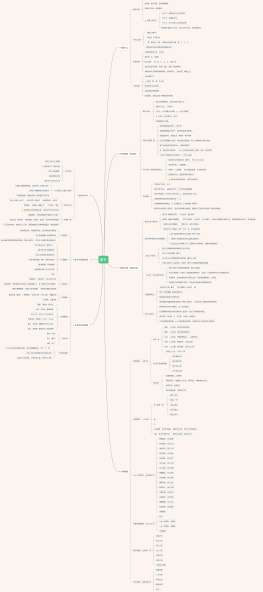
<span style="color: rgb(51, 51, 51); font-family: 'Microsoft Yahei', arial, sans-serif; font-size: 16px; line-height: 30px; white-space: pre-wrap;"> 1.概念:表示现阶段或说话时正在进行的动作及行为。 </span><br>
<span style="color: rgb(51, 51, 51); font-family: 'Microsoft Yahei', arial, sans-serif; font-size: 16px; line-height: 30px; white-space: pre-wrap;">2.时间状语:now, at this time, days, etc.</span><br>
<span style="color: rgb(51, 51, 51); font-family: 'Microsoft Yahei', arial, sans-serif; font-size: 16px; line-height: 30px; white-space: pre-wrap;">He is doing his homework now.</span>
<span style="color: rgb(23, 44, 69); font-size: 16px; line-height: 28px;">句中往往有now、look、listen等词。<br>注意:千万不要忘了一定得有be动词。</span>
<span style="color: rgb(51, 51, 51); font-family: 'Microsoft Yahei', arial, sans-serif; font-size: 16px; line-height: 30px; white-space: pre-wrap;">3. 基本结构:be+doing
</span><span style="color: rgb(23, 44, 69); font-size: 16px; line-height: 28px;">构成形式:主语+be动词+动词的ing形式+其他。</span><br>
主动语态:<span style="color: rgb(51, 51, 51); font-family: 'Microsoft Yahei', arial, sans-serif; font-size: 16px; line-height: 30px; white-space: pre-wrap;">am;is;are doing</span>
被动语态:<span style="color: rgb(51, 51, 51); font-family: 'Microsoft Yahei', arial, sans-serif; font-size: 16px; line-height: 30px; white-space: pre-wrap;">am;is;are done</span>
<span style="color: rgb(51, 51, 51); font-family: 'Microsoft Yahei', arial, sans-serif; font-size: 16px; line-height: 30px; white-space: pre-wrap;">4.否定形式:be+not+doing. </span><br>
<span style="color: rgb(51, 51, 51); font-family: 'Microsoft Yahei', arial, sans-serif; font-size: 16px; line-height: 30px; white-space: pre-wrap;">He is not doing his homework now.</span><br>
<span style="color: rgb(51, 51, 51); font-family: 'Microsoft Yahei', arial, sans-serif; font-size: 16px; line-height: 30px; white-space: pre-wrap;">5.一般疑问句:把be动词放于句首。</span><br>
<span style="color: rgb(51, 51, 51); font-family: 'Microsoft Yahei', arial, sans-serif; font-size: 16px; line-height: 30px; white-space: pre-wrap;">Is he doing his homework now?</span><br>
<strong style="color: rgb(23, 44, 69); font-size: 16px; line-height: 28px;">6. 现在进行时表示将来意义</strong>
<strong style="color: rgb(23, 44, 69); font-size: 16px; line-height: 28px;">主要表示现在或目前正在进行的动作:</strong>
<strong style="color: rgb(23, 44, 69); font-size: 16px; line-height: 28px;">还可表示将来,主要用于表示按计划或安排要发生的动作:</strong>
<p style="color: rgb(23, 44, 69); font-size: 16px; line-height: 28px;"> We're having a meeting. 我们在开会。</p><p style="color: rgb(23, 44, 69); font-size: 16px; line-height: 28px;"> My head is aching. 我头很疼。</p><p style="color: rgb(23, 44, 69); font-size: 16px; line-height: 28px;"> Where is she teaching? 她在哪儿教书?</p><p style="color: rgb(23, 44, 69); font-size: 16px; line-height: 28px;"> She's spending the summer at the seaside. 她在海边度暑假。</p>
<p style="color: rgb(23, 44, 69); font-size: 16px; line-height: 28px;"> I'm leaving tomorrow. 我明天走。</p><p style="color: rgb(23, 44, 69); font-size: 16px; line-height: 28px;"> They're getting married next month. 他们下个月结婚。</p><p style="color: rgb(23, 44, 69); font-size: 16px; line-height: 28px;"> Are you meeting Bill this evening? 你今晚将和比尔见面吗?</p><p style="color: rgb(23, 44, 69); font-size: 16px; line-height: 28px;"> 能这样用的动词不多,常用的有:arrive, come, do, get, go, have, leave, meet, play, return, see, spend, start, stay, wear, work 等。</p>