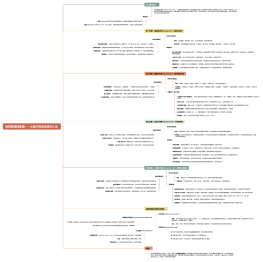
三、有效决策的要素与过程 (Elements and Process of Effective Decision-Making)
1. 决策要素 (Elements of the Decision Process)
a. 界定问题性质 (Classifying the Problem)
是经常性问题还是例外问题? (Is it generic or exceptional?)
<b>经常性问题 (Generic):</b> 需要建立规则或原则解决 (Requires a rule or principle)
<b>真正偶发的例外问题 (Truly Exceptional):</b> 按具体情况处理 (Handle case-by-case)
<b>首次出现的"经常性"问题 (First manifestation of a new generic problem):</b> 识别并制定规则 (Recognize and formulate a rule)
<b>关键 (Key):</b> 不用例外方案解决经常性问题 (Don't solve generic problems with exceptional solutions)
b. 明确边界条件 (Specifying Boundary Conditions)
决策的目标是什么? (What are the objectives of the decision?)
最低限度需要达成什么? (What are the minimum requirements?)
决策需要满足哪些条件? (What conditions must the decision satisfy?)
c. 寻求正确方案 (Finding the "Right" Solution)
先考虑什么是“正确”的,而非“可接受”的 (First consider what is "right," not what is "acceptable")
不要为了折衷而牺牲正确性 (Don't compromise correctness for the sake of compromise)
d. 化决策为行动 (Converting the Decision into Action)
明确谁负责行动 (Specify who is responsible for action)
明确行动步骤、时限 (Specify action steps and deadlines)
确保执行者能力匹配 (Ensure implementers have the necessary capabilities)
激发执行者动机 (Motivate the implementers)
e. 建立反馈机制 (Building Feedback into the Decision)
检验决策的有效性 (Testing the validity of the decision)
对照实际结果与预期 (Comparing actual results against expectations)
<b>工具 (Tool):</b> 建立信息反馈制度 (Establish information feedback systems)
2. 决策过程中的要点 (Key Points in the Decision Process)
a. 重视不同意见 (Emphasizing Disagreement)
<b>原则 (Principle):</b> 决策需有反面意见 (Decisions require dissenting opinions)
<b>作用 (Function):</b>
保护决策者不被组织意见俘虏 (Protects decision-maker from being a prisoner of the organization)
提供决策的可选方案 (Provides alternative options)
激发想象力 (Stimulates imagination)
<b>警惕 (Caution):</b> 避免过早寻求一致 (Avoid seeking consensus too early)
b. 区分事实与见解 (Distinguishing Facts from Opinions)
<b>起点 (Starting Point):</b> 从见解开始,而非事实 (Start with opinions, not facts)
<b>方法 (Method):</b> 鼓励提出见解,并找到检验见解的标准 (Encourage opinions and find criteria to test them)
c. 判断决策的必要性 (Assessing the Need for a Decision)
是否真需要做决策? (Is a decision truly necessary?)
<b>原则 (Principle):</b> 若不做决策,情况会恶化,则必须决策 (If inaction leads to deterioration, a decision must be made)
<b>原则 (Principle):</b> 行动与不行动的风险评估 (Risk assessment of action vs. inaction)
3. 人事决策 (Personnel Decisions)
a. 重要性 (Importance)
对组织影响巨大 (Has a huge impact on the organization)
最关键的决策之一 (One of the most critical decisions)
b. 常见误区 (Common Pitfalls)
仓促决策 (Hasty decisions)
基于个人好恶 (Based on personal preference)
职位设计不当 (Poor job design)
c. 有效原则 (Effective Principles)
深思熟虑 (Careful consideration)
候选人充足 (Sufficient candidates)
聚焦于长处 (Focus on strengths)
确保候选人理解职务要求 (Ensure candidate understands job requirements)
建立后续绩效评估 (Establish follow-up performance appraisal)
4. 计算机与决策 (Computers and Decision-Making)
a. 计算机的角色 (Role of Computers)
是工具,不是决策者 (A tool, not a decision-maker)
提供信息、逻辑运算 (Provides information, performs logical operations)
b. 局限性 (Limitations)
不能处理模糊性、价值观 (Cannot handle ambiguity, values)
不能替代管理者的判断与勇气 (Cannot replace managerial judgment and courage)