金蝶K3产品介绍
2017-03-26 21:19:31 0 举报仅支持查看
AI智能生成
256台354
1111
模板推荐
作者其他创作
大纲/内容
现金管理
票据备查簿
1、作用:用于管理和查询各种收款和付款票据
注意:<span style="FONT-FAMILY: 楷体_GB2312">当票据备查簿管理的是商业承兑汇票和银行承兑汇票时,现金管理系统与应收款、应付款管理系统中的应收、应付票据实现完全共享。用户可选择在现金管理或应收款、应付款管理系统录入外来票据,这些票据会同时在另一系统出现。当然,其中一个系统尚未启用时,不影响启用系统的操作。也可以说,它们是启用后才同步,初始化的信息必须在两个系统分别建立。</span><span style="FONT-FAMILY: 楷体_GB2312">在应用两系统同步时,设计的作业规则最好使票据在一个系统录入(如现金管理系统),这更利于企业的管理和控制</span>
2、商业承兑汇票和银行承兑汇票的区别
<pre id="best-content-162659858" accuse="aContent" class="best-text mb-10" style="margin-top: 10px; margin-bottom: 10px; padding: 0px; font-family: 'Microsoft YaHei', arial, 'courier new', courier, 宋体, monospace; white-space: pre-wrap; word-wrap: break-word; font-size: 16px; line-height: 29px; color: rgb(51, 51, 51); min-height: 55px;"><a href="https://www.baidu.com/s?wd=%E5%95%86%E4%B8%9A%E6%89%BF%E5%85%91%E6%B1%87%E7%A5%A8&tn=44039180_cpr&fenlei=mv6quAkxTZn0IZRqIHckPjm4nH00T1YvnWw-uAw-PWRsuAnvPHn10ZwV5Hcvrjm3rH6sPfKWUMw85HfYnjn4nH6sgvPsT6KdThsqpZwYTjCEQLGCpyw9Uz4Bmy-bIi4WUvYETgN-TLwGUv3EPjTvPjRYnW0" target="_blank" class="baidu-highlight" rel="nofollow" style="color: rgb(63, 136, 191);">商业承兑汇票</a>由企业开具,到期由企业无条件见票付款,<a href="https://www.baidu.com/s?wd=%E9%93%B6%E8%A1%8C%E6%89%BF%E5%85%91%E6%B1%87%E7%A5%A8&tn=44039180_cpr&fenlei=mv6quAkxTZn0IZRqIHckPjm4nH00T1YvnWw-uAw-PWRsuAnvPHn10ZwV5Hcvrjm3rH6sPfKWUMw85HfYnjn4nH6sgvPsT6KdThsqpZwYTjCEQLGCpyw9Uz4Bmy-bIi4WUvYETgN-TLwGUv3EPjTvPjRYnW0" target="_blank" class="baidu-highlight" rel="nofollow" style="color: rgb(63, 136, 191); text-decoration: none;">银行承兑汇票</a>由企业申请,银行开具,到期由银行无条件付款,在实际操作过程中,银行会要求企业存一定金额的定期存款,在额度内由银行出具<a href="https://www.baidu.com/s?wd=%E9%93%B6%E8%A1%8C%E6%89%BF%E5%85%91%E6%B1%87%E7%A5%A8&tn=44039180_cpr&fenlei=mv6quAkxTZn0IZRqIHckPjm4nH00T1YvnWw-uAw-PWRsuAnvPHn10ZwV5Hcvrjm3rH6sPfKWUMw85HfYnjn4nH6sgvPsT6KdThsqpZwYTjCEQLGCpyw9Uz4Bmy-bIi4WUvYETgN-TLwGUv3EPjTvPjRYnW0" target="_blank" class="baidu-highlight" rel="nofollow" style="color: rgb(63, 136, 191); text-decoration: none;">银行承兑汇票</a>.并且在规定时间内此存款不允许提出.一般来说<a href="https://www.baidu.com/s?wd=%E9%93%B6%E8%A1%8C%E6%89%BF%E5%85%91%E6%B1%87%E7%A5%A8&tn=44039180_cpr&fenlei=mv6quAkxTZn0IZRqIHckPjm4nH00T1YvnWw-uAw-PWRsuAnvPHn10ZwV5Hcvrjm3rH6sPfKWUMw85HfYnjn4nH6sgvPsT6KdThsqpZwYTjCEQLGCpyw9Uz4Bmy-bIi4WUvYETgN-TLwGUv3EPjTvPjRYnW0" target="_blank" class="baidu-highlight" rel="nofollow" style="color: rgb(63, 136, 191); text-decoration: none;">银行承兑汇票</a>比<a href="https://www.baidu.com/s?wd=%E5%95%86%E4%B8%9A%E6%89%BF%E5%85%91%E6%B1%87%E7%A5%A8&tn=44039180_cpr&fenlei=mv6quAkxTZn0IZRqIHckPjm4nH00T1YvnWw-uAw-PWRsuAnvPHn10ZwV5Hcvrjm3rH6sPfKWUMw85HfYnjn4nH6sgvPsT6KdThsqpZwYTjCEQLGCpyw9Uz4Bmy-bIi4WUvYETgN-TLwGUv3EPjTvPjRYnW0" target="_blank" class="baidu-highlight" rel="nofollow" style="color: rgb(63, 136, 191); text-decoration: none;">商业承兑汇票</a>更加有信誉度</pre>
支票的管理
1、<span style="font-family: 宋体; text-indent: 21pt;">企业出纳人员经常要购置大量的空白支票进行资金支付业务,为了加强对购置的现金支票、转账支票、普通支票进行管理,本模块实现了对空白支票的监管使用,防止和杜绝了出纳人员和业务人员责任不明确、以及票据遗漏、丢失等现象的发生。</span>
2、<span style="FONT-FAMILY: 宋体">空白支票购置、并领用后就可自动在票据备查簿中查阅显示,但对付款支票内容的维护只能在票据管理中进行</span>
3、支票的处理:<span lang="EN-US" style="text-indent: -18.15pt; font-family: Wingdings;"><span style="font-stretch: normal; font-size: 7pt; font-family: 'Times New Roman';"> </span></span><span style="text-indent: -18.15pt; font-family: 宋体;">支票的购置</span>
<p style="text-indent: -18.15pt; margin: 0cm 0cm 7.8pt 60.15pt;" class="MsoList2" align="left"><span style="FONT-FAMILY: Wingdings" lang="EN-US">Ø<span style="font-stretch: normal; font-size: 7pt; font-family: 'Times New Roman';"> </span></span><span style="FONT-FAMILY: 宋体">支票的领用</span></p>
<p style="text-indent: -18.15pt; margin: 0cm 0cm 7.8pt 60.15pt;" class="MsoList2" align="left"><span style="FONT-FAMILY: Wingdings" lang="EN-US">Ø<span style="font-stretch: normal; font-size: 7pt; font-family: 'Times New Roman';"> </span></span><span style="FONT-FAMILY: 宋体">支票的报销</span></p>
<p style="text-indent: -18.15pt; margin: 0cm 0cm 7.8pt 60.15pt;" class="MsoList2" align="left"><span style="FONT-FAMILY: Wingdings" lang="EN-US">Ø<span style="font-stretch: normal; font-size: 7pt; font-family: 'Times New Roman';"> </span></span><span style="FONT-FAMILY: 宋体">支票的查询</span></p>
<p style="text-indent: -18.15pt; margin: 0cm 0cm 7.8pt 60.15pt;" class="MsoList2" align="left"><span style="FONT-FAMILY: Wingdings" lang="EN-US">Ø<span style="font-stretch: normal; font-size: 7pt; font-family: 'Times New Roman';"> </span></span><span style="FONT-FAMILY: 宋体">支票的查看</span></p>
<p style="text-indent: -18.15pt; margin: 0cm 0cm 7.8pt 60.15pt;" class="MsoList2" align="left"><span style="FONT-FAMILY: Wingdings" lang="EN-US">Ø<span style="font-stretch: normal; font-size: 7pt; font-family: 'Times New Roman';"> </span></span><span style="FONT-FAMILY: 宋体">支票的审核、核销</span></p>
<p style="text-indent: -18.15pt; margin: 0cm 0cm 7.8pt 60.15pt;" class="MsoList2" align="left"><span style="FONT-FAMILY: Wingdings" lang="EN-US">Ø<span style="font-stretch: normal; font-size: 7pt; font-family: 'Times New Roman';"> </span></span><span style="FONT-FAMILY: 宋体">支票的预览、打印</span></p>
<p style="text-indent: -18.15pt; margin: 0cm 0cm 7.8pt 60.15pt;" class="MsoList2" align="left"><span style="FONT-FAMILY: Wingdings" lang="EN-US">Ø<span style="font-stretch: normal; font-size: 7pt; font-family: 'Times New Roman';"> </span></span><span style="FONT-FAMILY: 宋体">引出</span></p>
4、支票的核销:<span style="color: rgb(51, 51, 51); font-family: 'Microsoft YaHei', arial, 'courier new', courier, 宋体, monospace; font-size: 16px; line-height: 29px; white-space: pre-wrap;">所谓支票核销即向银行购买的支票在使用完后,将作废的支票拿到银行将所作废的支票号核销的业务。</span><pre id="best-content-2249774779" accuse="aContent" class="best-text mb-10" style="margin-top: 10px; margin-bottom: 10px; padding: 0px; font-family: 'Microsoft YaHei', arial, 'courier new', courier, 宋体, monospace; white-space: pre-wrap; word-wrap: break-word; font-size: 16px; line-height: 29px; color: rgb(51, 51, 51); min-height: 55px;">支票(Cheque,Check)是以银行为付款人的<a href="https://www.baidu.com/s?wd=%E5%8D%B3%E6%9C%9F%E6%B1%87%E7%A5%A8&tn=44039180_cpr&fenlei=mv6quAkxTZn0IZRqIHckPjm4nH00T1Y3uhuhmHfLuHTzPHfduyRs0ZwV5Hcvrjm3rH6sPfKWUMw85HfYnjn4nH6sgvPsT6KdThsqpZwYTjCEQLGCpyw9Uz4Bmy-bIi4WUvYETgN-TLwGUv3EnHfsPjT1PWcd" target="_blank" class="baidu-highlight" rel="nofollow" style="color: rgb(63, 136, 191); text-decoration: none;">即期汇票</a>,可以看作汇票的特例。支票出票人签发的支票金额,不得超出其在付款人处的存款金额。如果存款低于支票金额,银行将拒付给持票人。这种支票称为空头支票,出票人要负法律上的责任。<br> 开立<a href="https://www.baidu.com/s?wd=%E6%94%AF%E7%A5%A8%E5%AD%98%E6%AC%BE&tn=44039180_cpr&fenlei=mv6quAkxTZn0IZRqIHckPjm4nH00T1Y3uhuhmHfLuHTzPHfduyRs0ZwV5Hcvrjm3rH6sPfKWUMw85HfYnjn4nH6sgvPsT6KdThsqpZwYTjCEQLGCpyw9Uz4Bmy-bIi4WUvYETgN-TLwGUv3EnHfsPjT1PWcd" target="_blank" class="baidu-highlight" rel="nofollow" style="color: rgb(63, 136, 191); text-decoration: none;">支票存款</a>账户和领用支票,必须有可靠的资信,并存入一定的资金。支票可分为现金支票、转账支票、<a href="https://www.baidu.com/s?wd=%E6%99%AE%E9%80%9A%E6%94%AF%E7%A5%A8&tn=44039180_cpr&fenlei=mv6quAkxTZn0IZRqIHckPjm4nH00T1Y3uhuhmHfLuHTzPHfduyRs0ZwV5Hcvrjm3rH6sPfKWUMw85HfYnjn4nH6sgvPsT6KdThsqpZwYTjCEQLGCpyw9Uz4Bmy-bIi4WUvYETgN-TLwGUv3EnHfsPjT1PWcd" target="_blank" class="baidu-highlight" rel="nofollow" style="color: rgb(63, 136, 191); text-decoration: none;">普通支票</a>。支票一经背书即可流通转让,具有通货作用,成为替代货币发挥流通手段和支付手段职能的信用流通工具。运用支票进行货币结算,可以减少现金的流通量,节约货币流通费用。</pre>
资金寸头表
1、资金头寸表用于查阅各个日期或期间的资金(现金和银行存款)余额。
到期预警表
1、银行承兑汇票、商业承兑汇票到期预警
期末处理:期末结账
<span style="font-size: 17px;">执行期末结账后,当前会计期间的现金日记账、现金盘点单、银行存款日记账、银行对账单等数据将不能再进行修改。因此在结账之前应确保当前会计期间的所有业务已正确处理完毕。</span><br>
现金收复流水
<p style="TEXT-INDENT: 21pt" class="MsoNormal"><span style="FONT-FAMILY: 宋体">1、现金收付流水账是指出纳根据现金收付的时间顺序登记流水账,在现金收付流水账中,会计可以根据收付款信息直接生成凭证,传递到总账。为会计人员节省大量时间。</span></p>
现金对账
<span style="FONT-FAMILY: 宋体; LETTER-SPACING: 0pt">现金对账是指系统自动将出纳账与日记账(总账)当期现金发生额,现金余额进行核对,并生成对账表。</span>
往来结算
<span style="text-indent: 21pt; font-family: 宋体;">1、资金集中管理尤其是集团结算中心的应用呈明显上升趋势。我们同时也注意到,我们的结算中心模块缺少与各个经营实体的资金信息通道,无法与各结算中心成员单位的现金管理系统高效地交换信息</span><span lang="EN-US" style="text-indent: 21pt;">.</span><span style="text-indent: 21pt; font-family: 宋体;">目前下属企业与结算中心的收付款委托</span><span lang="EN-US" style="text-indent: 21pt;">/</span><span style="text-indent: 21pt; font-family: 宋体;">信息主要依赖</span><span lang="EN-US" style="text-indent: 21pt;">”</span><span style="text-indent: 21pt; font-family: 宋体;">网上结算</span><span lang="EN-US" style="text-indent: 21pt;">”</span><span style="text-indent: 21pt; font-family: 宋体;">,通过</span><span lang="EN-US" style="text-indent: 21pt;">WEB</span><span style="text-indent: 21pt; font-family: 宋体;">方式提交指令</span><span lang="EN-US" style="text-indent: 21pt;">/</span><span style="text-indent: 21pt; font-family: 宋体;">委托</span><span lang="EN-US" style="text-indent: 21pt;">/</span><span style="text-indent: 21pt; font-family: 宋体;">申请,查询反馈信息,但仍无法避免相同业务需要在现金管理系统和结算中心系统重复录入。</span>
作用
<span style="FONT-FAMILY: 宋体">主要处理与结算中心、应收应付系统集成使用,如果现金系统只是做为一个独立的资金管理模块,则不需要使用这部分功能。</span>
流程图
收款通知单
<span style="FONT-FAMILY: 宋体">1、收款单业务的功能模块包括〖收款通知单录入〗和〖收款通知单序时簿〗,收款通知单录入模块提供录入功能,收款通知单序时簿提供单据新增、修改、删除、查询、审核、提交(指提交结算中心)、获取(指获取结算信息</span>
注意:<span style="font-family: 楷体_GB2312; text-indent: 0cm;">系统参数中,只有选择与结算中心联用,这两个功能模块才可以使用。否则,这两个功能模块不可使用。</span>
收款流程图
收款通知单结算状态?
收现金比较多的公司可能用到
转账结算
1、<span style="color: rgb(51, 51, 51); font-family: 'Microsoft YaHei', arial, 'courier new', courier, 宋体, monospace; font-size: 16px; line-height: 29px; white-space: pre-wrap;">谓银行</span><a href="https://www.baidu.com/s?wd=%E8%BD%AC%E8%B4%A6%E7%BB%93%E7%AE%97&tn=44039180_cpr&fenlei=mv6quAkxTZn0IZRqIHckPjm4nH00T1Y3rARsP1csujuWP104mWN-0ZwV5Hcvrjm3rH6sPfKWUMw85HfYnjn4nH6sgvPsT6KdThsqpZwYTjCEQLGCpyw9Uz4Bmy-bIi4WUvYETgN-TLwGUv3EPHT3PWczPHnv" target="_blank" class="baidu-highlight" rel="nofollow" style="font-family: 'Microsoft YaHei', arial, 'courier new', courier, 宋体, monospace; font-size: 16px; line-height: 29px; white-space: pre-wrap; color: rgb(63, 136, 191); text-decoration: none;">转账结算</a><span style="color: rgb(51, 51, 51); font-family: 'Microsoft YaHei', arial, 'courier new', courier, 宋体, monospace; font-size: 16px; line-height: 29px; white-space: pre-wrap;">:是指不使用现金,通过银行将款项从付款单位(或个人)的银行账户直接划转到收款单位(或个人)的银行账户的货币资金结算方式。</span>
现金流预测
1、<span style="font-family: 宋体; text-indent: 21pt;">现代广义的现金流管理内容,包括现金预算管理、现金的流入与流出的管理、现金使用效率管理和现金结算管理等部分。企业迫切需要未来现金流入和流出的准确信息,作为其编制短期资金计划的依据,同时在企业运营过程中对现金流按计划进行控制,保证现金链条不断裂。</span>
2、<span style="FONT-FAMILY: 宋体">现金流预测功能的作用是通过采集业务系统数据,对企业未来的流量和存量进行预测,使用户能随时掌握未来资金流入、流出和余额情况,以帮助用户防范支付危机和进行资金优化配置。</span>、
总账
<pre id="best-content-2249317041" accuse="aContent" class="best-text mb-10" style="margin-top: 10px; margin-bottom: 10px; padding: 0px; font-family: 'Microsoft YaHei', arial, 'courier new', courier, 宋体, monospace; white-space: pre-wrap; word-wrap: break-word; font-size: 16px; line-height: 29px; color: rgb(51, 51, 51); min-height: 55px;">借贷方分别表示会计要素中,增加或减少情况是:<br>(1)资产类、费用类、增加记“借”,减少记“贷”<br>(2)负债类、收入类、、所有者权益、利润类科目增加记“贷”,减少记“借” 借贷记账法的记账规则可以概括为:有借必有贷,借贷必相等。 <br>第一,在运用借贷记账法记账时,对每项经济业务,既要记录一个(或几个)账户的借方,又必然要记录另一个(或几个)账户的贷方,即“有借必有贷”;账户借方记录的金额必然等于账户贷方的金额,即“借贷必相等”。 <br> 第二,所记录的账户可以是同类账户,也可以是不同类账户,但必须是两个记账方向,既不能都记入借方,也不能都记入贷方; <br> 第三,记入借方的金额必须等于记入贷方的金额。</pre>
结转本期损益会计分录
<span style="color: rgb(51, 51, 51); font-family: 'Microsoft YaHei', arial, 宋体, sans-serif, tahoma; font-size: 14px; line-height: 24px;">收入结转:</span><br style="color: rgb(51, 51, 51); font-family: 'Microsoft YaHei', arial, 宋体, sans-serif, tahoma; font-size: 14px; line-height: 24px;"><span style="color: rgb(51, 51, 51); font-family: 'Microsoft YaHei', arial, 宋体, sans-serif, tahoma; font-size: 14px; line-height: 24px;">借:</span><a href="https://www.baidu.com/s?wd=%E4%B8%BB%E8%90%A5%E4%B8%9A%E5%8A%A1%E6%94%B6%E5%85%A5&tn=44039180_cpr&fenlei=mv6quAkxTZn0IZRqIHckPjm4nH00T1Y3nhR1PWfYnHm3PjnvrAD10ZwV5Hcvrjm3rH6sPfKWUMw85HfYnjn4nH6sgvPsT6KdThsqpZwYTjCEQLGCpyw9Uz4Bmy-bIi4WUvYETgN-TLwGUv3EPjnLnWbYPW0k" target="_blank" class="baidu-highlight" rel="nofollow" style="color: rgb(63, 136, 191); text-decoration: none; font-family: 'Microsoft YaHei', arial, 宋体, sans-serif, tahoma; font-size: 14px; line-height: 24px;">主营业务收入</a><br style="color: rgb(51, 51, 51); font-family: 'Microsoft YaHei', arial, 宋体, sans-serif, tahoma; font-size: 14px; line-height: 24px;"><span style="color: rgb(51, 51, 51); font-family: 'Microsoft YaHei', arial, 宋体, sans-serif, tahoma; font-size: 14px; line-height: 24px;">其他业务收入</span><br style="color: rgb(51, 51, 51); font-family: 'Microsoft YaHei', arial, 宋体, sans-serif, tahoma; font-size: 14px; line-height: 24px;"><span style="color: rgb(51, 51, 51); font-family: 'Microsoft YaHei', arial, 宋体, sans-serif, tahoma; font-size: 14px; line-height: 24px;">营业外收入等科目</span><br style="color: rgb(51, 51, 51); font-family: 'Microsoft YaHei', arial, 宋体, sans-serif, tahoma; font-size: 14px; line-height: 24px;"><span style="color: rgb(51, 51, 51); font-family: 'Microsoft YaHei', arial, 宋体, sans-serif, tahoma; font-size: 14px; line-height: 24px;">贷:本年利润</span><br style="color: rgb(51, 51, 51); font-family: 'Microsoft YaHei', arial, 宋体, sans-serif, tahoma; font-size: 14px; line-height: 24px;"><span style="color: rgb(51, 51, 51); font-family: 'Microsoft YaHei', arial, 宋体, sans-serif, tahoma; font-size: 14px; line-height: 24px;">支出费用结转:</span><br style="color: rgb(51, 51, 51); font-family: 'Microsoft YaHei', arial, 宋体, sans-serif, tahoma; font-size: 14px; line-height: 24px;"><span style="color: rgb(51, 51, 51); font-family: 'Microsoft YaHei', arial, 宋体, sans-serif, tahoma; font-size: 14px; line-height: 24px;">借:本年利润</span><br style="color: rgb(51, 51, 51); font-family: 'Microsoft YaHei', arial, 宋体, sans-serif, tahoma; font-size: 14px; line-height: 24px;"><span style="color: rgb(51, 51, 51); font-family: 'Microsoft YaHei', arial, 宋体, sans-serif, tahoma; font-size: 14px; line-height: 24px;">贷:主营业务成本</span><br style="color: rgb(51, 51, 51); font-family: 'Microsoft YaHei', arial, 宋体, sans-serif, tahoma; font-size: 14px; line-height: 24px;"><span style="color: rgb(51, 51, 51); font-family: 'Microsoft YaHei', arial, 宋体, sans-serif, tahoma; font-size: 14px; line-height: 24px;">主营业务税金及附加</span><br style="color: rgb(51, 51, 51); font-family: 'Microsoft YaHei', arial, 宋体, sans-serif, tahoma; font-size: 14px; line-height: 24px;"><span style="color: rgb(51, 51, 51); font-family: 'Microsoft YaHei', arial, 宋体, sans-serif, tahoma; font-size: 14px; line-height: 24px;">管理费用</span><br style="color: rgb(51, 51, 51); font-family: 'Microsoft YaHei', arial, 宋体, sans-serif, tahoma; font-size: 14px; line-height: 24px;"><span style="color: rgb(51, 51, 51); font-family: 'Microsoft YaHei', arial, 宋体, sans-serif, tahoma; font-size: 14px; line-height: 24px;">销售费用</span><br style="color: rgb(51, 51, 51); font-family: 'Microsoft YaHei', arial, 宋体, sans-serif, tahoma; font-size: 14px; line-height: 24px;"><span style="color: rgb(51, 51, 51); font-family: 'Microsoft YaHei', arial, 宋体, sans-serif, tahoma; font-size: 14px; line-height: 24px;">财务费用</span><br style="color: rgb(51, 51, 51); font-family: 'Microsoft YaHei', arial, 宋体, sans-serif, tahoma; font-size: 14px; line-height: 24px;"><span style="color: rgb(51, 51, 51); font-family: 'Microsoft YaHei', arial, 宋体, sans-serif, tahoma; font-size: 14px; line-height: 24px;">营业外支出等科目</span>
结转本年损益会计分录
<pre id="best-content-145260646" accuse="aContent" class="best-text mb-10" style="margin-top: 10px; margin-bottom: 10px; padding: 0px; font-family: 'Microsoft YaHei', arial, 'courier new', courier, 宋体, monospace; white-space: pre-wrap; word-wrap: break-word; font-size: 16px; line-height: 29px; color: rgb(51, 51, 51); min-height: 55px;">本年利润的会计分录四步做: <br>一、先结转收入: <br>借:<a href="https://www.baidu.com/s?wd=%E4%B8%BB%E8%90%A5%E4%B8%9A%E5%8A%A1%E6%94%B6%E5%85%A5&tn=44039180_cpr&fenlei=mv6quAkxTZn0IZRqIHckPjm4nH00T1Y3uyPbuhnsnWTkmW6vn1cL0ZwV5Hcvrjm3rH6sPfKWUMw85HfYnjn4nH6sgvPsT6KdThsqpZwYTjCEQLGCpyw9Uz4Bmy-bIi4WUvYETgN-TLwGUv3EPjc1n1m3PH6" target="_blank" class="baidu-highlight" rel="nofollow" style="color: rgb(63, 136, 191); text-decoration: none;">主营业务收入</a> <br>借:其他业务收入 <br>借:营业外收入 <br>贷:本年利润 <br>二、结转成本、费用和税金: <br>借:本年利润 <br>贷:主营业务成本 <br>贷:主营业务税金及附加 <br>贷:其他业务支出 <br>贷:<a href="https://www.baidu.com/s?wd=%E8%90%A5%E4%B8%9A%E8%B4%B9%E7%94%A8&tn=44039180_cpr&fenlei=mv6quAkxTZn0IZRqIHckPjm4nH00T1Y3uyPbuhnsnWTkmW6vn1cL0ZwV5Hcvrjm3rH6sPfKWUMw85HfYnjn4nH6sgvPsT6KdThsqpZwYTjCEQLGCpyw9Uz4Bmy-bIi4WUvYETgN-TLwGUv3EPjc1n1m3PH6" target="_blank" class="baidu-highlight" rel="nofollow" style="color: rgb(63, 136, 191); text-decoration: none;">营业费用</a> <br>贷:管理费用 <br>贷:财务费用 <br>贷:营业外支出 <br>贷:所得税 <br>三、结转投资收益: <br>净收益的: <br>借:投资收益 <br>贷:本年利润 <br>净损失的: <br>借:本年利润 <br>贷:投资收益 <br>四、年度结转利润分配: <br>将本年的收入和支出相抵后的结出的本年实现的净利润: <br>借:本年利润 <br>贷:利润分配——未分配利润 <br>如果是亏损: <br>借:利润分配——未分配利润 <br>贷:本年利润</pre>
日报表
<span style="FONT-FAMILY: 宋体">解某一天所发生的业务。日报表可查询某些科目某天的日初余额、本日借贷方发生额、日末余额及业务发生笔数,查询时还可选择科目级次、科目范围、是否包含未过账凭证、是否无发生额不显示、是否输出合计金额选项等。</span>
摘要汇总表
<span style="FONT-FAMILY: 宋体">摘要汇总表可<span style="COLOR: black">按凭证摘要过滤后汇总查询一定期间内科目发生金额,便于查询某项特定业务在指定期间的发生情况</span></span>
核算项目余额表
算项目余额表与核算项目分类总账、核算项目明细账类似,用于帮助用户进行核算项目余额的分析,可用于预算管理
核算项目明细表
核算项目汇总表
<p style="text-indent: 21pt; margin: 0cm 0cm 6pt;" class="MsoNormal" align="left"><span style="FONT-FAMILY: 宋体">核算项目汇总表是以报表的形式展示出对明细资料的汇总分析,并且提供了任意角度分析过滤实时显示,并可保存查询方案的特点,特别适合在线数据分析和数据采集与决策分析使用。</span></p>
核算项目组合表
<span style="FONT-FAMILY: 宋体">核算项目组合表是以报表的形式展示出对不同核算项目进行不同角度组合分析。核算项目组合表是决策分析必用报表之一</span>
<div> 一、核算项目组合表<br>1、功能位置:财务会计——总账——财务报表——核算项目组合表<br>2、主要用途:核算项目组合表是以报表的形式展示出对不同核算项目进行不同角度组合分析。核算项目组合表是决策分析必用报表之一。<br>3、适用范围:两个核算项目相组合,然后再按会计科目进行查询。<br>4、取数类型:系统提供借方数量、借方金额、贷方数量、贷方金额、借贷差额、期初数量、期末数量以及数量金额组合查询等多种取数类型选择(版本间可能会有差别)。但不支持借贷方同时查询。<br>5、使用前提:两个核算项目通过会计科目相连接,必须同时挂在同一会计科目下。<br>6、应用举例:以销售收入科目为例,下挂了职员、物料等多个核算项目,现在要查某会计期间各业务人员完成的产品销量及收入情况<br></div>
核算项目科目组合表
<span style="FONT-FAMILY: 宋体">核算项目与科目组合表提供了核算项目与会计科目二维组合报表,既</span><span style="FONT-FAMILY: 宋体">可以</span><span style="FONT-FAMILY: 宋体">反映指定类别的核算项目所涉及的所有或多个</span> <span style="FONT-FAMILY: 宋体">会计科目的发生额及期初期末余额,又可以反映指定会计科目对应的所有或多个核算项目发生情况及余额。</span>
科目利息计算表
调汇历史信息表
<p style="text-indent: 21pt; margin: 0cm 0cm 6pt;" class="MsoNormal" align="left"><span style="FONT-FAMILY: 宋体">调汇历史信息表主要是用来反映科目的调汇历史记录情况,根据调汇记录,可以完整反映汇率的变动及汇兑损益的变动情况。</span></p>
转账凭证
结转
<div class="lemma-summary" label-module="lemmaSummary" style="clear: both; font-size: 14px; word-wrap: break-word; color: rgb(51, 51, 51); margin-bottom: 15px; text-indent: 2em; line-height: 24px; zoom: 1; font-family: arial, 宋体, sans-serif;"><div class="para" label-module="para" style="word-wrap: break-word; margin-bottom: 15px; text-indent: 2em; zoom: 1;">结转,或期末结转,指期末结账时将某一账户的余额或差额转入另一账户。这里涉及两个<a target="_blank" href="http://baike.baidu.com/view/138920.htm" style="color: rgb(19, 110, 194); text-decoration: none;">账户</a>,前者是转出账户,后者是转入账户,一般而言,结转后,转出账户将没有<a target="_blank" href="http://baike.baidu.com/view/1400808.htm" style="color: rgb(19, 110, 194); text-decoration: none;">余额</a>。</div><div><br></div></div><div class="configModuleBanner" style="color: rgb(51, 51, 51); font-family: arial, 宋体, sans-serif; font-size: 12px; line-height: 18px;"></div><div class="basic-info cmn-clearfix" style="margin: 20px 0px 35px; clear: both; color: rgb(51, 51, 51); font-family: arial, 宋体, sans-serif; font-size: 12px; line-height: 18px; background-image: url(http://baike.bdimg.com/static/wiki-lemma/widget/lemma_content/mainContent/basicInfo/img/basicInfo-bg_7819f20.png); background-attachment: initial; background-size: initial; background-origin: initial; background-clip: initial; background-position: initial; background-repeat: initial;"><dl class="basicInfo-block basicInfo-left" style="margin: 0px; padding: 0px; width: 395px; float: left;"></dl></div>
结转的目的
<span style="color: rgb(51, 51, 51); font-family: arial, 宋体, sans-serif; font-size: 14px; line-height: 24px; text-indent: 28px;">所谓“结转”,是会计工作中重要的具体业务,通常它是把一个</span><a target="_blank" href="http://baike.baidu.com/view/264933.htm" style="color: rgb(19, 110, 194); text-decoration: none; font-family: arial, 宋体, sans-serif; font-size: 14px; line-height: 24px; text-indent: 28px;">会计科目</a><span style="color: rgb(51, 51, 51); font-family: arial, 宋体, sans-serif; font-size: 14px; line-height: 24px; text-indent: 28px;">的发生额和</span><a target="_blank" href="http://baike.baidu.com/view/1400808.htm" style="color: rgb(19, 110, 194); text-decoration: none; font-family: arial, 宋体, sans-serif; font-size: 14px; line-height: 24px; text-indent: 28px;">余额</a><span style="color: rgb(51, 51, 51); font-family: arial, 宋体, sans-serif; font-size: 14px; line-height: 24px; text-indent: 28px;">转移到该科目或另一个会计科目的做法,这个做法叫结转。结转的目的大体有四个:其一是为了结出本会计科目的余额;其二是为了计算本报告期的成本;三是为了计算当期的损益和利润的实现情况;其四是为了保持会计工作的连续性,一定要把本</span><a target="_blank" href="http://baike.baidu.com/view/435647.htm" style="color: rgb(19, 110, 194); text-decoration: none; font-family: arial, 宋体, sans-serif; font-size: 14px; line-height: 24px; text-indent: 28px;">会计年度</a><span style="color: rgb(51, 51, 51); font-family: arial, 宋体, sans-serif; font-size: 14px; line-height: 24px; text-indent: 28px;">末的余额转到下个会计年度。</span>
例如
<span style="color: rgb(51, 51, 51); font-family: arial, 宋体, sans-serif; font-size: 14px; line-height: 24px; text-indent: 28px;">下面分别举例说明之:首先为了结出</span><a target="_blank" href="http://baike.baidu.com/view/1400808.htm" style="color: rgb(19, 110, 194); text-decoration: none; font-family: arial, 宋体, sans-serif; font-size: 14px; line-height: 24px; text-indent: 28px;">余额</a><span style="color: rgb(51, 51, 51); font-family: arial, 宋体, sans-serif; font-size: 14px; line-height: 24px; text-indent: 28px;">,如对</span><a target="_blank" href="http://baike.baidu.com/view/81545.htm" style="color: rgb(19, 110, 194); text-decoration: none; font-family: arial, 宋体, sans-serif; font-size: 14px; line-height: 24px; text-indent: 28px;">存货</a><span style="color: rgb(51, 51, 51); font-family: arial, 宋体, sans-serif; font-size: 14px; line-height: 24px; text-indent: 28px;">“</span><a target="_blank" href="http://baike.baidu.com/view/1079507.htm" style="color: rgb(19, 110, 194); text-decoration: none; font-family: arial, 宋体, sans-serif; font-size: 14px; line-height: 24px; text-indent: 28px;">产成品</a><span style="color: rgb(51, 51, 51); font-family: arial, 宋体, sans-serif; font-size: 14px; line-height: 24px; text-indent: 28px;">”</span><a target="_blank" href="http://baike.baidu.com/view/264933.htm" style="color: rgb(19, 110, 194); text-decoration: none; font-family: arial, 宋体, sans-serif; font-size: 14px; line-height: 24px; text-indent: 28px;">会计科目</a><span style="color: rgb(51, 51, 51); font-family: arial, 宋体, sans-serif; font-size: 14px; line-height: 24px; text-indent: 28px;">,要结转本月的生产成本即注销已销产品的成本,目的就是求出产成品的当前余额;其次,为了计算本期的成本,需要结转的</span><a target="_blank" href="http://baike.baidu.com/view/1374342.htm" style="color: rgb(19, 110, 194); text-decoration: none; font-family: arial, 宋体, sans-serif; font-size: 14px; line-height: 24px; text-indent: 28px;">成本费用</a><span style="color: rgb(51, 51, 51); font-family: arial, 宋体, sans-serif; font-size: 14px; line-height: 24px; text-indent: 28px;">类的科目很多,诸如</span><a target="_blank" href="http://baike.baidu.com/view/593901.htm" style="color: rgb(19, 110, 194); text-decoration: none; font-family: arial, 宋体, sans-serif; font-size: 14px; line-height: 24px; text-indent: 28px;">制造费用</a><span style="color: rgb(51, 51, 51); font-family: arial, 宋体, sans-serif; font-size: 14px; line-height: 24px; text-indent: 28px;">、</span><a target="_blank" href="http://baike.baidu.com/view/1497470.htm" style="color: rgb(19, 110, 194); text-decoration: none; font-family: arial, 宋体, sans-serif; font-size: 14px; line-height: 24px; text-indent: 28px;">基本生产成本</a><span style="color: rgb(51, 51, 51); font-family: arial, 宋体, sans-serif; font-size: 14px; line-height: 24px; text-indent: 28px;">、</span><a target="_blank" href="http://baike.baidu.com/view/1358018.htm" style="color: rgb(19, 110, 194); text-decoration: none; font-family: arial, 宋体, sans-serif; font-size: 14px; line-height: 24px; text-indent: 28px;">辅助生产成本</a><span style="color: rgb(51, 51, 51); font-family: arial, 宋体, sans-serif; font-size: 14px; line-height: 24px; text-indent: 28px;">等都要结转到生产成本科目;再次,为了计算利润,要把当期的销售收入、</span><a target="_blank" href="http://baike.baidu.com/view/1396287.htm" style="color: rgb(19, 110, 194); text-decoration: none; font-family: arial, 宋体, sans-serif; font-size: 14px; line-height: 24px; text-indent: 28px;">销售成本</a><span style="color: rgb(51, 51, 51); font-family: arial, 宋体, sans-serif; font-size: 14px; line-height: 24px; text-indent: 28px;">、</span><a target="_blank" href="http://baike.baidu.com/view/604692.htm" style="color: rgb(19, 110, 194); text-decoration: none; font-family: arial, 宋体, sans-serif; font-size: 14px; line-height: 24px; text-indent: 28px;">其他业务收入</a><span style="color: rgb(51, 51, 51); font-family: arial, 宋体, sans-serif; font-size: 14px; line-height: 24px; text-indent: 28px;">、</span><a target="_blank" href="http://baike.baidu.com/view/2345829.htm" style="color: rgb(19, 110, 194); text-decoration: none; font-family: arial, 宋体, sans-serif; font-size: 14px; line-height: 24px; text-indent: 28px;">其他业务成本</a><span style="color: rgb(51, 51, 51); font-family: arial, 宋体, sans-serif; font-size: 14px; line-height: 24px; text-indent: 28px;">、</span><a target="_blank" href="http://baike.baidu.com/view/607246.htm" style="color: rgb(19, 110, 194); text-decoration: none; font-family: arial, 宋体, sans-serif; font-size: 14px; line-height: 24px; text-indent: 28px;">营业外收入</a><span style="color: rgb(51, 51, 51); font-family: arial, 宋体, sans-serif; font-size: 14px; line-height: 24px; text-indent: 28px;">、</span><a target="_blank" href="http://baike.baidu.com/view/628767.htm" style="color: rgb(19, 110, 194); text-decoration: none; font-family: arial, 宋体, sans-serif; font-size: 14px; line-height: 24px; text-indent: 28px;">营业外支出</a><span style="color: rgb(51, 51, 51); font-family: arial, 宋体, sans-serif; font-size: 14px; line-height: 24px; text-indent: 28px;">、</span><a target="_blank" href="http://baike.baidu.com/view/632099.htm" style="color: rgb(19, 110, 194); text-decoration: none; font-family: arial, 宋体, sans-serif; font-size: 14px; line-height: 24px; text-indent: 28px;">所得税</a><span style="color: rgb(51, 51, 51); font-family: arial, 宋体, sans-serif; font-size: 14px; line-height: 24px; text-indent: 28px;">、</span><a target="_blank" href="http://baike.baidu.com/view/699568.htm" style="color: rgb(19, 110, 194); text-decoration: none; font-family: arial, 宋体, sans-serif; font-size: 14px; line-height: 24px; text-indent: 28px;">产品销售税金及附加</a><a target="_blank" href="http://baike.baidu.com/view/451413.htm" style="color: rgb(19, 110, 194); text-decoration: none; font-family: arial, 宋体, sans-serif; font-size: 14px; line-height: 24px; text-indent: 28px;">期间费用</a><span style="color: rgb(51, 51, 51); font-family: arial, 宋体, sans-serif; font-size: 14px; line-height: 24px; text-indent: 28px;">(</span><a target="_blank" href="http://baike.baidu.com/view/194499.htm" style="color: rgb(19, 110, 194); text-decoration: none; font-family: arial, 宋体, sans-serif; font-size: 14px; line-height: 24px; text-indent: 28px;">管理费用</a><span style="color: rgb(51, 51, 51); font-family: arial, 宋体, sans-serif; font-size: 14px; line-height: 24px; text-indent: 28px;">、</span><a target="_blank" href="http://baike.baidu.com/view/277790.htm" style="color: rgb(19, 110, 194); text-decoration: none; font-family: arial, 宋体, sans-serif; font-size: 14px; line-height: 24px; text-indent: 28px;">销售费用</a><span style="color: rgb(51, 51, 51); font-family: arial, 宋体, sans-serif; font-size: 14px; line-height: 24px; text-indent: 28px;">、</span><a target="_blank" href="http://baike.baidu.com/view/433636.htm" style="color: rgb(19, 110, 194); text-decoration: none; font-family: arial, 宋体, sans-serif; font-size: 14px; line-height: 24px; text-indent: 28px;">财务费用</a><span style="color: rgb(51, 51, 51); font-family: arial, 宋体, sans-serif; font-size: 14px; line-height: 24px; text-indent: 28px;">)等科目的发生额都要结转到</span><a target="_blank" href="http://baike.baidu.com/view/693938.htm" style="color: rgb(19, 110, 194); text-decoration: none; font-family: arial, 宋体, sans-serif; font-size: 14px; line-height: 24px; text-indent: 28px;">本年利润</a><span style="color: rgb(51, 51, 51); font-family: arial, 宋体, sans-serif; font-size: 14px; line-height: 24px; text-indent: 28px;">科目;最后,要在</span><a target="_blank" href="http://baike.baidu.com/view/435647.htm" style="color: rgb(19, 110, 194); text-decoration: none; font-family: arial, 宋体, sans-serif; font-size: 14px; line-height: 24px; text-indent: 28px;">会计年度</a><span style="color: rgb(51, 51, 51); font-family: arial, 宋体, sans-serif; font-size: 14px; line-height: 24px; text-indent: 28px;">末把所有会计科目的余额结转到下个会计年度。</span>
<span style="color: rgb(51, 51, 51); font-family: arial, 宋体, sans-serif; font-size: 14px; line-height: 24px; text-indent: 28px;">生产完工之后,生产成本归集的费用(料、工、费)全部结转到库存商品</span><a target="_blank" href="http://baike.baidu.com/view/138920.htm" style="color: rgb(19, 110, 194); text-decoration: none; font-family: arial, 宋体, sans-serif; font-size: 14px; line-height: 24px; text-indent: 28px;">账户</a><span style="color: rgb(51, 51, 51); font-family: arial, 宋体, sans-serif; font-size: 14px; line-height: 24px; text-indent: 28px;">中。A产品全部未完工,则不予结转,留待下月继续加工</span>
往来对账单
总账系统提供的往来管理主要基于按余额核销,系统自动把设置往来的会计科目的科目余额属性方向(如应收账款为借方)的最后一笔业务发生时间为账龄起算点,所有业务自动从凭证中提取,采用统一的按余额核销模式不需要进行手动核销,系统自动出往来对账单和龄分析表,如要进行手动核销或更详细的管理,可采用应收账和应付账系统。
总账的往来管理基于按余额核销
账龄分析的参数
往来业务核销案例
<p style="line-height: 28px; margin: 0px 0px 10px; padding: 0px; color: rgb(23, 61, 94); font-family: 'Hiragino Sans GB W3', 'Hiragino Sans GB', Arial, Helvetica, simsun, u5b8bu4f53; font-size: 16px;">一、销售商品时借:应收账款 11700 <br>贷:主营业务收入 10000 <br>应交税金 1700 <br>二、收到商品款项 <br>借:银行存款 11700 <br>贷:应收账款 11700 <br>往来核销,就是指上面的两笔凭证进行勾兑(应付账款类似),主要是用于确认某一笔货款已经收到或支付,对账龄分析表有影响。主要是用来制作往来账龄分析表的,没其他作用,也不影响总账数据。</p><p style="line-height: 28px; margin: 0px 0px 10px; padding: 0px; color: rgb(23, 61, 94); font-family: 'Hiragino Sans GB W3', 'Hiragino Sans GB', Arial, Helvetica, simsun, u5b8bu4f53; font-size: 16px;">又如:</p><p style="line-height: 28px; margin: 0px 0px 10px; padding: 0px; color: rgb(23, 61, 94); font-family: 'Hiragino Sans GB W3', 'Hiragino Sans GB', Arial, Helvetica, simsun, u5b8bu4f53; font-size: 16px;">A公司经常购B公司的货物,双方约定月结款项。以下为近几个月的业务: <br>1月2日购500元。 <br>2月4日购800元。 <br>3月2日购500元。 <br>假若这三笔都已经挂应收B公司的应收账款,B公司一直到3月3日支付1000元的货款。那么到底这是属于还哪一笔的货款呢?这时就需要通过往来业务核销。要视具体情况而处理。 <br>比如这时B公司说这是支付两笔500元的业务款,那么对应就将1月2日与3月2日的两笔往来业务核销。保留2月4日的那笔。 <br>如果无法知道,具体给付的是哪笔业务。那就按先挂账的先销账的原则,先核销1月2日购500元,2月4日购800元,其中的500元。余2月4日的300元及3月2日的500元。 <br>以上所指的是应收账款的核销,当然以此类推可以应用到应付、预付、预收等四大科目</p>
金蝶K3总账往来知识
http://wenku.baidu.com/link?url=xQU1hRT-wdH9h6ddZpz17ZUfRaWtwg7LAaF7E0dSILm8tnyipgdsEhktbmF00vGIlUEumlrZSMShhjeswQf2cg7xuIvogjdrnRP30aeGLHG
往来对账单
<span style="color: rgb(51, 51, 51); font-family: arial, 宋体, sans-serif; font-size: 14px; line-height: 24px; text-indent: 28px;">账龄是指负债人所欠账款的时间。账龄越长,发生</span><a target="_blank" href="http://baike.baidu.com/view/404315.htm" style="color: rgb(19, 110, 194); text-decoration: none; font-family: arial, 宋体, sans-serif; font-size: 14px; line-height: 24px; text-indent: 28px;">坏账损失</a><span style="color: rgb(51, 51, 51); font-family: arial, 宋体, sans-serif; font-size: 14px; line-height: 24px; text-indent: 28px;">的可能性就越大。账龄分析法是指根据应收账款的时间长短来估计</span><a target="_blank" href="http://baike.baidu.com/view/578851.htm" style="color: rgb(19, 110, 194); text-decoration: none; font-family: arial, 宋体, sans-serif; font-size: 14px; line-height: 24px; text-indent: 28px;">坏账</a><span style="color: rgb(51, 51, 51); font-family: arial, 宋体, sans-serif; font-size: 14px; line-height: 24px; text-indent: 28px;">损失的一种方法,又称“</span><a target="_blank" href="http://baike.baidu.com/view/59820.htm" style="color: rgb(19, 110, 194); text-decoration: none; font-family: arial, 宋体, sans-serif; font-size: 14px; line-height: 24px; text-indent: 28px;">应收账款</a><span style="color: rgb(51, 51, 51); font-family: arial, 宋体, sans-serif; font-size: 14px; line-height: 24px; text-indent: 28px;">账龄分析法”。采用账龄分析法时,将不同账龄的应收账款进行分组,并根据前期坏账实际发生的有关资料,确定各账龄组的估计坏账损失百分比,再将各账龄组的应收账款金额乘以对应的估计坏账损失百分比数,计算出各组的估计坏账损失额之和,即为当期的坏账损失预计金额。</span>
坏账明细表
坏账统计分析表
<p style="TEXT-INDENT: 21pt; MARGIN-LEFT: 0cm" class="MsoNormal"><span style="FONT-FAMILY: 宋体">坏账统计分析表提供了往来核算项目所有应收的总金额、已经确认的坏账、已经收回来的款项及应收款余额。同时也可以对已经计入的坏账按照坏账原因来进行分析。</span></p>
内部往来协同
<p style="TEXT-INDENT: 21pt; MARGIN: 0cm 0cm 6pt" class="MsoNormal"><span style="FONT-FAMILY: 宋体">随着集团内部企业的往来增多,集团内部企业之间的往来管理成为企业财务管理一个重要的课题。内部往来协同满足集中式管理模式的企业集团内各成员企业,在一方发生内部往来业务记账时,同时传递凭证上的内部往来信息到对应机构,由其进行确认并进行相应的账务处理,从而确保在业务发生时,往来的双方都可以即时进行确认,保证了内部往来信息及时性和准确性。</span></p>
金蝶K3建立账套步骤
http://wenku.baidu.com/link?url=E7pOMJgcXDXR28EbtGgRzqh7U47oUzMmMvkzBhpaR57pxSittBgmZinPBh54sYDYvRJxmSLrKp07xg4Ha4qxbf8tdBc3Y0hbX2j67f-Mlpq
资产负债表
<span style="color: rgb(51, 51, 51); font-family: arial, 宋体, sans-serif; font-size: 14px; line-height: 24px; text-indent: 28px;">资产负债表利用会计平衡原则,将合乎</span><a target="_blank" href="http://baike.baidu.com/view/33825.htm" style="color: rgb(19, 110, 194); text-decoration: none; font-family: arial, 宋体, sans-serif; font-size: 14px; line-height: 24px; text-indent: 28px;">会计原则</a><span style="color: rgb(51, 51, 51); font-family: arial, 宋体, sans-serif; font-size: 14px; line-height: 24px; text-indent: 28px;">的资产、负债、股东权益”交易科目分为“资产”和“负债及股东权益”两大区块,在经过分录、转帐、分类帐、</span><a target="_blank" href="http://baike.baidu.com/view/2263602.htm" style="color: rgb(19, 110, 194); text-decoration: none; font-family: arial, 宋体, sans-serif; font-size: 14px; line-height: 24px; text-indent: 28px;">试算</a><span style="color: rgb(51, 51, 51); font-family: arial, 宋体, sans-serif; font-size: 14px; line-height: 24px; text-indent: 28px;">、调整等等</span><a target="_blank" href="http://baike.baidu.com/view/5332654.htm" style="color: rgb(19, 110, 194); text-decoration: none; font-family: arial, 宋体, sans-serif; font-size: 14px; line-height: 24px; text-indent: 28px;">会计程序</a><span style="color: rgb(51, 51, 51); font-family: arial, 宋体, sans-serif; font-size: 14px; line-height: 24px; text-indent: 28px;">后,以特定日期的静态企业情况为基准,浓缩成一张报表。其报表功用除了企业内部除错、</span><a target="_blank" href="http://baike.baidu.com/view/745965.htm" style="color: rgb(19, 110, 194); text-decoration: none; font-family: arial, 宋体, sans-serif; font-size: 14px; line-height: 24px; text-indent: 28px;">经营方向</a><span style="color: rgb(51, 51, 51); font-family: arial, 宋体, sans-serif; font-size: 14px; line-height: 24px; text-indent: 28px;">、防止弊端外,也可让所有阅读者于最短时间了解企业经营状况。</span><span style="font-size: 12px; line-height: 0; position: relative; vertical-align: baseline; top: -0.5em; white-space: nowrap; margin-left: 2px; color: rgb(51, 102, 204); cursor: default; padding: 0px 2px; font-family: arial, 宋体, sans-serif; text-indent: 28px;">[1]</span><a class="sup-anchor" name="ref_[1]_16173" style="color: rgb(19, 110, 194); position: relative; top: -50px; font-size: 0px; line-height: 0; font-family: arial, 宋体, sans-serif; text-indent: 28px;"> </a>
取数方式分类
1、<span style="color: rgb(51, 51, 51); font-family: arial, 宋体, sans-serif; font-size: 14px; line-height: 24px; text-indent: 28px;">资产负债表“</span><a target="_blank" href="http://baike.baidu.com/view/1661644.htm" style="color: rgb(19, 110, 194); text-decoration: none; font-family: arial, 宋体, sans-serif; font-size: 14px; line-height: 24px; text-indent: 28px;">期末余额</a><span style="color: rgb(51, 51, 51); font-family: arial, 宋体, sans-serif; font-size: 14px; line-height: 24px; text-indent: 28px;">”栏根据总账科目的余额填列的项目</span>
2、<span style="color: rgb(51, 51, 51); font-family: arial, 宋体, sans-serif; font-size: 14px; line-height: 24px; text-indent: 28px;">资产负债表“期末余额”栏根据明细账科目余额计算填列</span>
3、<span style="color: rgb(51, 51, 51); font-family: arial, 宋体, sans-serif; font-size: 14px; line-height: 24px; text-indent: 28px;">资产负债表“期末余额”栏根据总账科目和明细账科目余额分析计算填列</span>
4、资产负债表“期末余额”栏根据有关科目余额减去其备抵科目余额后的净额填列的
5、<span style="color: rgb(51, 51, 51); font-family: arial, 宋体, sans-serif; font-size: 14px; line-height: 24px; text-indent: 28px;">资产负债表“期末余额”栏综合运用上述填列方法分析填列的</span>
http://baike.baidu.com/link?url=dUFyouKKETt14umkOJB_Ny3knsGXeyU9vM3lShcAB4GeXfjvoHvZ8mSP8iqp3oMI9T_GqND9P4Qnuqj0jBg1ygnTlnaeQNBNuiwaBcRhVj23wiijBIh41SA_jC1yQbUKDgz5oX_xF4GXLIza4XQoKK
缺省年度
<span style="FONT-FAMILY: 宋体">年度与缺省期间是用于设置基于会计期间的公式(如账上取数</span><span lang="EN-US">acct</span><span style="FONT-FAMILY: 宋体">)的缺省年度和缺省期间值,在这些公式设置时,如果未设置会计年度和会计期间值,则取数时系统自动采用此处设置的年度和期间进行取数</span>
<h4 style="TEXT-INDENT: 0cm; MARGIN: 0cm 0cm 0pt 14.2pt"><span lang="EN-US">ACCT</span><span style="FONT-FAMILY: 宋体">函数包括未过账凭证</span></h4>
<p style="MARGIN-LEFT: 63pt" class="MsoNormal"><span style="FONT-FAMILY: 宋体">在“公式取数参数“界面中,提供了选项</span><span lang="EN-US"><ACCT</span><span style="FONT-FAMILY: 宋体">函数包括总账当前期间未过账凭证</span><span lang="EN-US">></span><span style="FONT-FAMILY: 宋体">,如果选中了这个选项,则在</span><span lang="EN-US">ACCT</span><span style="FONT-FAMILY: 宋体">函数在进行取数计算时,会包括账套当前期间的未过账凭证,否则,系统的</span><span lang="EN-US">ACCT</span><span style="FONT-FAMILY: 宋体">函数只是对已过账的凭证进行取数。</span></p>
<p style="MARGIN-LEFT: 63pt" class="MsoNormal"><span style="FONT-FAMILY: 宋体">备注:公式取数参数中</span> <span style="FONT-FAMILY: 宋体">“</span><span lang="EN-US">ACCT</span><span style="FONT-FAMILY: 宋体">公式取数时包含总账当前期间未过账凭证”对调整期间凭证的控制方式:只包含所查期间范围内的未过账凭证。</span></p>
核算项目
<span style="FONT-FAMILY: 宋体">公式取数参数中提供核算项目选择,减少定义报表取数公式的工作量。</span>
<h4 style="TEXT-INDENT: 0cm; MARGIN: 0cm 0cm 0pt 14.2pt"><span style="FONT-FAMILY: 宋体">报表打开时自动重算</span></h4>
<p style="MARGIN-LEFT: 63pt" class="MsoNormal"><span style="FONT-FAMILY: 宋体">在“公式取数参数”中,提供了选项</span><span lang="EN-US"><</span><span style="FONT-FAMILY: 宋体">报表打开时自动重算</span><span lang="EN-US">></span><span style="FONT-FAMILY: 宋体">,如果选中了这个选项,在每次打开报表时都会自动对报表进行计算。如果不选择该选项,则打开报表时将显示最后一次的计算后的结果。</span></p>
<p style="MARGIN-LEFT: 63pt" class="MsoNormal"><span lang="EN-US"> </span></p>
<span style="FONT-FAMILY: 楷体_GB2312">建议用户一般不要选择这个选项,否则每次打开报表时都会执行一遍报表计算,影响报表的打开时间。当然如果报表的数据是在动态的变化,每次都需要看到最新的计算结果,此时应选择该选项</span>
<h4 style="TEXT-INDENT: 0cm; MARGIN: 0cm 0cm 0pt 14.2pt"><span style="FONT-FAMILY: 宋体">开始日期和结束日期</span></h4>
报表<开始日期>和<结束日期>是设置基于按日的取数函数ACCTEXT而言的,对其它的函数无效。如果设置ACCTEXT函数时,未设置开始日期和结束日期,则以此处设置为准进行取数。
金蝶K3与标准版的区别
<br> 一、数据库 金蝶KIS标准版使用MS Access数据库,该数据库适用于小规模的数据处理,是比较经济的数据库解决方案,但当单个表的数据记录超过5万条时,运行的速度和稳定性都将受到一定程度的影响。 K3系统使用大型数据库MS SQL Server,该数据库为大型数据库,是当今主流的数据库平台之一,能提供高性能数据存储能力,数据量的大小仅仅受物理磁盘容量大小的限制,并且数据库的性能也不会因为数据量的增大而受到影响。 反应到客户具体的应用当中,也就意味着金蝶KIS标准版软件必须进行年结的操作,否则会造成软件运行缓慢或数据损坏;而K3系统则可以连续使用。对客户来讲,可以方便的查询前几个会计年度的数据
子主题
https://wenku.baidu.com/view/def34c571eb91a37f1115ce9.html
应收应付
模块初始化应该注意的问题、与总账引入引出的问题
1、需要准备的资料和注意的问题;<span lang="EN-US" style="text-indent: -15.75pt; font-family: Wingdings; font-size: 8pt;"><span style="font-stretch: normal; font-size: 7pt; font-family: 'Times New Roman';"> </span></span><span style="text-indent: -15.75pt; font-family: 宋体;">选择正确的启用期间</span><br><p style="text-indent: -15.75pt; margin: 0cm 0cm 6pt 57.75pt;" class="MsoNormal" align="left"><br></p><p style="text-indent: -15.75pt; margin: 0cm 0cm 6pt 57.75pt;" class="MsoNormal" align="left"><span style="FONT-FAMILY: Wingdings; FONT-SIZE: 8pt" lang="EN-US"><span style="font-stretch: normal; font-size: 7pt; font-family: 'Times New Roman';"> </span></span><span style="FONT-FAMILY: 宋体">准备预收款期初数据资料</span></p><br><p style="text-indent: -15.75pt; margin: 0cm 0cm 6pt 57.75pt;" class="MsoNormal" align="left"><span style="FONT-FAMILY: Wingdings; FONT-SIZE: 8pt" lang="EN-US"><span style="font-stretch: normal; font-size: 7pt; font-family: 'Times New Roman';"> </span></span><span style="FONT-FAMILY: 宋体">准备应收票据期初数据资料</span></p><br><p style="text-indent: -15.75pt; margin: 0cm 0cm 6pt 57.75pt;" class="MsoNormal" align="left"><span style="FONT-FAMILY: Wingdings; FONT-SIZE: 8pt" lang="EN-US"><span style="font-stretch: normal; font-size: 7pt; font-family: 'Times New Roman';"> </span></span><span style="FONT-FAMILY: 宋体">准备期初坏账数据资料、应收账款期初数据</span></p>
1、正确的期间:<span style="font-family: 宋体; text-indent: 21pt;">由于销售系统、应收款管理系统启用后,销售系统的发票才会自动传递到应收款管理系统,故用户必须正确处理好销售系统与应收款管理系统的启用期间问题,否则可能会造成数据错误。目前销售系统只在应收款管理系统结束初始化之后提供销售发票的单向传递,而且是强制传递,即只要应收款管理系统结束初始化后,销售系统新增的销售发票都会自动传递到应收款管理系统。而应收款管理系统新增的销售发票不能传递到销售系统。在应收款管理系统结束初始化之前,两系统之间不进行销售发票的传递。针对以上规则,您必须注意以下几点。</span><br><p style="text-indent: -21pt; margin: 0cm 0cm 6pt 42pt;" class="MsoNormal" align="left"><span style="FONT-FAMILY: 宋体" lang="EN-US">1.<span style="font-stretch: normal; font-size: 7pt; font-family: 'Times New Roman';"> </span></span><span style="FONT-FAMILY: 宋体">如果销售系统先启用,应收款管理系统后启用。例如:销售系统从第<span lang="EN-US">1</span>期开始启用,当前期间为第<span lang="EN-US">3</span>期,应收款管理系统准备从第<span lang="EN-US">4</span>期开始启用,则用户必须注意:在应收款管理系统没有结束初始化之前,销售系统不能录入第<span lang="EN-US">4</span>期的销售发票。因为在应收款管理系统没有结束初始化之前,销售系统的发票不能传递到应收款管理系统,这样应收款管理系统结束初始化之后,必须补录销售系统已经录入的第<span lang="EN-US">4</span>期的销售发票,造成重复劳动,而且这部分发票不能直接在应收款管理系统生成凭证,必须通过关联的形式关联销售系统已经生成的相应凭证字号,否则会造成总账系统数据重复。一般建议应收款管理系统结束初始化后才在销售系统录入销售发票数据,减少重复劳动工作,保证数据一致。对于<span lang="EN-US">1-3</span>期的销售发票,如果存在未完全收款的情况,则可以通过在应收款管理系统手工录入初始化发票实现后续收款结算处理。</span><span lang="EN-US" style="text-indent: -21pt; font-family: 宋体;">2.<span style="font-stretch: normal; font-size: 7pt; font-family: 'Times New Roman';"> </span></span><span style="text-indent: -21pt; font-family: 宋体;">如果销售系统从第<span lang="EN-US">1</span>期开始启用,当前期间为第<span lang="EN-US">3</span>期,而应收款管理系统也准备从第<span lang="EN-US">1</span>期开始启用,则用户必须注意:在应收款管理系统没有结束初始化之前,销售系统录入的销售发票必须在应收款管理系统结束初始化之后进行补入。因为只有销售系统与应收款管理系统都结束初始化之后,销售系统的发票才可以传递到应收款管理系统。</span><span lang="EN-US" style="text-indent: -21pt; font-family: 宋体;">3.<span style="font-stretch: normal; font-size: 7pt; font-family: 'Times New Roman';"> </span></span><span style="text-indent: -21pt; font-family: 宋体;">如果应收款管理系统先启用,销售系统后启用。例如:应收款管理系统从第<span lang="EN-US">1</span>期开始启用,当前期间为第<span lang="EN-US">3</span>期,销售系统准备从第<span lang="EN-US">4</span>期开始启用,则用户必须注意:应收款管理系统不能录入第<span lang="EN-US">4</span>期的销售发票。因为在销售系统结束初始化之后,销售系统的销售发票会自动传递到应收款管理系统,如果应收款管理系统已经录入第<span lang="EN-US">4</span>期的销售发票,则势必造成发票重复录入,从而导致应收款管理系统数据错误。同时由于以上原因,控制销售系统只能从第<span lang="EN-US">4</span>期开始启用。</span></p>
<p style="text-indent: 21pt; margin: 0cm 0cm 6pt;" class="MsoNormal" align="left"><span style="FONT-FAMILY: 宋体">如果总账已经启用并已结束初始化,则应收款管理系统初始化数据可以从总账系统的该期期初余额引入。</span></p>
<p style="text-indent: 21pt; margin: 0cm 0cm 6pt;" class="MsoNormal" align="left"><span style="FONT-FAMILY: 宋体">如果总账与应收款管理系统同时启用,但初始化时先录入了总账数据资料,则应收款管理系统初始化数据可以从总账系统的初始化数据引入。</span></p>
<p style="text-indent: 21pt; margin: 0cm 0cm 6pt;" class="MsoNormal" align="left"><span style="FONT-FAMILY: 宋体">如果总账与应收款管理系统同时启用,但初始化时先录入了应收款管理系统数据资料,则总账系统初始化数据可以从应收款管理系统的初始化数据引入</span></p>
统以销售发票、其他应收单为依据来统计应收账款
子主题
<span style="FONT-FAMILY: 宋体">1\应收款管理系统以销售发票、其他应收单为依据来统计应收账款,以收款单、预收单、退款单来核销应收账款。本模块的业务处理主要是提供各种单据的录入,如销售发票、应收单、应收票据、收款单、预收单、退款单等。如果要统计已出库未开具销售发票的应收账款,建议在销售系统查询</span>
<p style="TEXT-INDENT: -15.75pt; MARGIN: 0cm 0cm 6pt 57.75pt" class="MsoNormal"><span style="FONT-FAMILY: Wingdings" lang="EN-US"><span style="font-stretch: normal; font-size: 7pt; font-family: 'Times New Roman';"> </span></span><span style="FONT-FAMILY: 宋体">销售发票</span></p>
<p style="TEXT-INDENT: -15.75pt; MARGIN: 0cm 0cm 6pt 57.75pt" class="MsoNormal"><span style="FONT-FAMILY: Wingdings" lang="EN-US">Ø<span style="font-stretch: normal; font-size: 7pt; font-family: 'Times New Roman';"> </span></span><span style="FONT-FAMILY: 宋体">其他应收单</span></p>
<p style="TEXT-INDENT: -15.75pt; MARGIN: 0cm 0cm 6pt 57.75pt" class="MsoNormal"><span style="FONT-FAMILY: Wingdings" lang="EN-US">Ø<span style="font-stretch: normal; font-size: 7pt; font-family: 'Times New Roman';"> </span></span><span style="FONT-FAMILY: 宋体">应收票据</span></p>
<p style="TEXT-INDENT: -15.75pt; MARGIN: 0cm 0cm 6pt 57.75pt" class="MsoNormal"><span style="FONT-FAMILY: Wingdings" lang="EN-US">Ø<span style="font-stretch: normal; font-size: 7pt; font-family: 'Times New Roman';"> </span></span><span style="FONT-FAMILY: 宋体">收款单</span></p>
<p style="TEXT-INDENT: -15.75pt; MARGIN: 0cm 0cm 6pt 57.75pt" class="MsoNormal"><span style="FONT-FAMILY: Wingdings" lang="EN-US">Ø<span style="font-stretch: normal; font-size: 7pt; font-family: 'Times New Roman';"> </span></span><span style="FONT-FAMILY: 宋体">应收退款单</span></p>
核销日志
核算项目类别
客户
供应商
子主题
职员
应收票据
1、<span style="FONT-FAMILY: 宋体">应收票据用来核算公司因销售商品、产品、提供劳务等而收到的商业汇票,包括银行承兑汇票和商业承兑汇票。</span><span style="FONT-FAMILY: 宋体">应收票据主要是用来对应收票据进行各种维护,如新增、修改、删除及背书、背书退回、转出、贴现、退票等操作</span>
2、贴现表、背书情况表、转出情况表、收款情况表、综合情况表
结算:<span style="font-family: 宋体; letter-spacing: 0pt;">应收款管理系统提供的结算管理主要是基于应收款的核销处理及凭证处理。进行核销处理后才能正确计算账龄分析表、到期债权列表、应收计息表。进行凭证处理后相应的往来数据才可以传入总账系统。</span>
核销日期:<span style="font-family: 宋体; font-size: 9pt;">是指进行核销操作的日期,系统根据此日期计算账龄分析,而非根据收款单的单据日期作为应收款核销时间,当然你可以选择收款单单据日期作为核销日期。</span>
核销方式分为按单据、存货数量、关联关系三种
<p class="ab"><span style="FONT-FAMILY: 宋体">单据:用户选择单据进行核销,系统内部仍然按行依次核销。</span></p>
<p class="ab"><span style="FONT-FAMILY: 宋体">存货数量:用户可以对发票上的存货数量行进行选择并核销</span></p>
<p class="ab"><span style="FONT-FAMILY: 宋体">关联关系:对存在结算关联关系的单据,进行核销,包括收款单关联应收单、退款单关联负数应收单、退款单关联收款单、退款单关联预收单</span></p>
到款结算
开发票:应收账款、主营业务收入、应交税费
坏账处理
坏账损失
坏账收回
坏账准备
子主题
坏账分析
题。坏账分析主要是区分客户、行业、地区等来统计坏账发生的金额
坏账计提明细表
<p style="MARGIN-LEFT: 0cm" class="MsoNormalIndent"><span style="FONT-FAMILY: 宋体; COLOR: black">按照“账龄分析法</span><span style="COLOR: black" lang="EN-US">+</span><span style="FONT-FAMILY: 宋体; COLOR: black">按单据类型计提”计提坏账准备,计提明细表只能查询坏账计提的总数,无法显示客户明细计提数据;</span><span style="FONT-FAMILY: 宋体">按照<span style="COLOR: black">“账龄分析法</span></span><span style="COLOR: black" lang="EN-US">+</span><span style="FONT-FAMILY: 宋体; COLOR: black">个别认定法</span><span style="COLOR: black" lang="EN-US">+</span><span style="FONT-FAMILY: 宋体; COLOR: black">按单据类型计提”</span><span style="FONT-FAMILY: 宋体">计提坏账的,<span style="COLOR: black">如果不选上“显示明细客户”,则只显示每个账龄段的汇总数据;如果选上“显示客户明细”,则客户明细数据和汇总数据均可以显示。</span></span></p>
<p style="MARGIN-LEFT: 0cm" class="MsoNormalIndent"><span style="FONT-FAMILY: 宋体; COLOR: black">按照“账龄分析法</span><span style="COLOR: black" lang="EN-US">+</span><span style="FONT-FAMILY: 宋体; COLOR: black">按科目计提”计提坏账准备,计提明细表展示会计科目在各个账期的计提数据。按照“账龄分析法</span><span style="COLOR: black" lang="EN-US">+</span><span style="FONT-FAMILY: 宋体; COLOR: black">个别认定法</span><span style="COLOR: black" lang="EN-US">+</span><span style="FONT-FAMILY: 宋体; COLOR: black">按科目计提”计提坏账准备,如果不选上“显示明细客户”,则只显示每个账龄段的汇总数据;如果选上“显示客户明细”,则客户明细数据和汇总数据均可以显示</span></p>
分析
账龄分析
账龄分析主要是用来对未核销的往来账款的余额、账龄进行分析
周转分析
<p style="margin: 0cm 0cm 6pt;" class="4"><span style="FONT-FAMILY: 宋体; LETTER-SPACING: 0pt">收款款平均值指指定期间的(期初应收款</span><span style="LETTER-SPACING: 0pt" lang="EN-US">+</span><span style="FONT-FAMILY: 宋体; LETTER-SPACING: 0pt">期末应收款)</span><span style="LETTER-SPACING: 0pt" lang="EN-US">/2</span><span style="FONT-FAMILY: 宋体; LETTER-SPACING: 0pt">。如选定期间为</span><span style="LETTER-SPACING: 0pt" lang="EN-US">3—5</span><span style="FONT-FAMILY: 宋体; LETTER-SPACING: 0pt">期,则应收款款平均值</span><span style="LETTER-SPACING: 0pt" lang="EN-US">=</span><span style="FONT-FAMILY: 宋体; LETTER-SPACING: 0pt">(</span><span style="LETTER-SPACING: 0pt" lang="EN-US">3</span><span style="FONT-FAMILY: 宋体; LETTER-SPACING: 0pt">期期初应收款</span><span style="LETTER-SPACING: 0pt" lang="EN-US">+5</span><span style="FONT-FAMILY: 宋体; LETTER-SPACING: 0pt">期期末应收款)</span><span style="LETTER-SPACING: 0pt" lang="EN-US">/2</span><span style="FONT-FAMILY: 宋体; LETTER-SPACING: 0pt">,此处的应收款不单指销售发票应收款,还包括其他应收单的单据数。</span></p>
<p style="margin: 0cm 0cm 6pt;" class="4"><span style="FONT-FAMILY: 宋体; LETTER-SPACING: 0pt">周转率</span><span style="LETTER-SPACING: 0pt" lang="EN-US">=</span><span style="FONT-FAMILY: 宋体; LETTER-SPACING: 0pt">销售收入</span><span style="LETTER-SPACING: 0pt" lang="EN-US">/</span><span style="FONT-FAMILY: 宋体; LETTER-SPACING: 0pt">应收款款平均值</span></p>
<p style="margin: 0cm 0cm 6pt;" class="4"><span style="FONT-FAMILY: 宋体; LETTER-SPACING: 0pt">周转天数</span><span style="LETTER-SPACING: 0pt" lang="EN-US">=</span><span style="FONT-FAMILY: 宋体; LETTER-SPACING: 0pt">指定期间天数</span><span style="LETTER-SPACING: 0pt" lang="EN-US">/</span><span style="FONT-FAMILY: 宋体; LETTER-SPACING: 0pt">周转率</span></p>
<span style="FONT-FAMILY: 宋体; LETTER-SPACING: 0pt">周转分析主要是用来反映往来单位在某段时间的应收账款周转率及周转天数。</span>
欠款分析
。欠款分析主要是用来反映往来单位在某段时间的应收账款周转率及周转天数
回款分析
<span style="FONT-FAMILY: 宋体; LETTER-SPACING: 0pt">。回款分析主要是用来统计往来单位(或地区、行业)回款的金额,及占总的回款金额的比例。</span>
坏账分析
子主题
信用余额
<span style="FONT-FAMILY: 宋体; LETTER-SPACING: 0pt">信用余额分析主要是统计客户的应收款余额、信用额度及两者之间的差额。</span>
信用期限分析
信用期限分析主要是统计客户各个信用期限段的应收款余额
销售分析
<span style="FONT-FAMILY: 宋体; LETTER-SPACING: 0pt">销售分析主要是统计客户销售发票的发生额。</span>
账表
1、应收账款明细
2、应收账款汇总表
3、往来对账
<span style="FONT-FAMILY: 宋体; LETTER-SPACING: 0pt">往来对账单主要是用来与客户进行对账。</span>主题
4、到期债权列表
5、应收款计息表
6、调汇记录表
调汇前金额、调汇后金额
7、应收趋势分析表
8、月结单
合同
合同到期款预警列表
合同资料
合同金额执行明细表
合同金额执行汇总表
合同执行情况汇总表
担保
担保资料
<span style="color: rgb(51, 51, 51); font-family: sinSun; font-size: 16px; line-height: 28px;">申请</span><a href="http://china.findlaw.cn/info/xingzheng/zhianchufafa/cfcx/db/" target="_blank" class="Key_word" style="color: rgb(51, 51, 51); text-decoration: none; border-bottom-width: 1px; border-bottom-style: dashed; border-bottom-color: rgb(51, 51, 51); padding: 0px 0px 2px; font-family: sinSun; font-size: 16px; line-height: 28px;">担保</a><span style="color: rgb(51, 51, 51); font-family: sinSun; font-size: 16px; line-height: 28px;">的企业需提供下列资料: 1、担保申请书 2、企业基本情况的资料:①历史沿革;②机构设置,人员素质;③主导产品品种、生产能力、近几年实际产销量、营销策略、主要市场及市场占有率、主要材料、能源、供应情况,环境污染及治理情况;④生产经营是否存在国家政</span>
<span style="color: rgb(51, 51, 51); font-family: arial, 宋体, sans-serif; font-size: 14px; line-height: 24px; text-indent: 28px;">担保,是指在借贷、买卖、货物运输、加工承揽等经济活动中,债权人为保障其债权实现的,要求债务人向债权人提供担保的合同。</span><span style="font-size: 12px; line-height: 0; position: relative; vertical-align: baseline; top: -0.5em; white-space: nowrap; margin-left: 2px; color: rgb(51, 102, 204); cursor: default; padding: 0px 2px; font-family: arial, 宋体, sans-serif; text-indent: 28px;">[</span>
期末对账
<p style="margin: 0cm 0cm 6pt;" class="23"><span style="FONT-FAMILY: 宋体; LETTER-SPACING: 0pt">期末总额对账:是选择应收款管理系统的余额与总账系统指定科目的合计进行对账;</span></p>
<p style="margin: 0cm 0cm 6pt;" class="23"><span style="FONT-FAMILY: 宋体; LETTER-SPACING: 0pt">期末科目对账:指定会计科目在应收款管理系统和总账系统的数据进行对账(如果没有选上“启用调汇于对账”,则不支持该对账方式);</span></p>
对账检查
<p style="TEXT-INDENT: 21pt; MARGIN-LEFT: 21pt" class="MsoNormal"><span lang="EN-US">1、<span style="font-stretch: normal; font-size: 7pt; font-family: 'Times New Roman';"> </span></span><span style="FONT-FAMILY: 宋体">检查当前期间的单据是否已经审核(默认选中);</span></p>
<p style="TEXT-INDENT: 21pt; MARGIN-LEFT: 21pt" class="MsoNormal"><span lang="EN-US">2、<span style="font-stretch: normal; font-size: 7pt; font-family: 'Times New Roman';"> </span></span><span style="FONT-FAMILY: 宋体">检查当前期间的单据是否已经生成凭证(默认选中);</span></p>
<p style="TEXT-INDENT: 21pt; MARGIN-LEFT: 21pt" class="MsoNormal"><span lang="EN-US">3、<span style="font-stretch: normal; font-size: 7pt; font-family: 'Times New Roman';"> </span></span><span style="FONT-FAMILY: 宋体">检查物流录入发票的期间与应收应付系统是否相符;</span></p>
<p style="TEXT-INDENT: 21pt; MARGIN-LEFT: 21pt" class="MsoNormal"><span lang="EN-US">4、<span style="font-stretch: normal; font-size: 7pt; font-family: 'Times New Roman';"> </span></span><span style="FONT-FAMILY: 宋体">检查单据期间、往来科目与对应的凭证是否相符(默认选中);</span></p>
<p style="TEXT-INDENT: 21pt; MARGIN-LEFT: 21pt" class="MsoNormal"><span lang="EN-US">5、<span style="font-stretch: normal; font-size: 7pt; font-family: 'Times New Roman';"> </span></span><span style="FONT-FAMILY: 宋体">检查指定科目的凭证是否存在对应的单据;</span></p>
<p style="TEXT-INDENT: 20.1pt; MARGIN-LEFT: 21pt" class="MsoNormal"><span lang="EN-US">6、<span style="font-stretch: normal; font-size: 7pt; font-family: 'Times New Roman';"> </span></span><span style="FONT-FAMILY: 宋体">检查结账期间和总账、物流系统的当前期间是否匹配;</span></p>
<p style="TEXT-INDENT: 20.1pt; MARGIN-LEFT: 21pt" class="MsoNormal"><span lang="EN-US">7、<span style="font-stretch: normal; font-size: 7pt; font-family: 'Times New Roman';"> </span></span><span style="FONT-FAMILY: 宋体">检查当前期间现金系统发送的付款单是否已经确认。</span></p>
检查结果
<p style="margin: 0cm 0cm 6pt;" class="23"><span style="FONT-FAMILY: 宋体; LETTER-SPACING: 0pt">检查结果:是指对账检查的具体结果,包括:单据类型</span><span style="LETTER-SPACING: 0pt" lang="EN-US">+</span><span style="FONT-FAMILY: 宋体; LETTER-SPACING: 0pt">单据号</span><span style="LETTER-SPACING: 0pt" lang="EN-US">+</span><span style="FONT-FAMILY: 宋体; LETTER-SPACING: 0pt">检查结果原因</span></p>
<p style="TEXT-INDENT: 17.95pt; MARGIN: 0cm 0cm 6pt 21pt" class="MsoNormal"><span lang="EN-US">1</span><span style="FONT-FAMILY: 宋体">)单据号、单据日期、币别、单据金额(原币);</span></p>
<p style="TEXT-INDENT: 17.95pt; MARGIN: 0cm 0cm 6pt 21pt" class="MsoNormal"><span lang="EN-US">2</span><span style="FONT-FAMILY: 宋体">)凭证字号、金额</span></p>
<p style="margin: 0cm 0cm 6pt;" class="23"><span style="FONT-FAMILY: 宋体; LETTER-SPACING: 0pt">检查报告支持存盘、引出、预览和打印;</span></p>
<p style="margin: 0cm 0cm 6pt;" class="23"><span style="FONT-FAMILY: 宋体; LETTER-SPACING: 0pt">检查结束后进入对账处理;</span></p>
<p style="margin: 0cm 0cm 6pt;" class="23"><span style="FONT-FAMILY: 宋体; LETTER-SPACING: 0pt">对于有外币业务的企业,在会计期末如有公司汇率的变化,通常要进行期末调汇的业务处理。</span></p>
<p style="text-indent: 21pt; margin: 0cm 0cm 6pt;" class="MsoNormal" align="left"><span style="FONT-FAMILY: 宋体">根据企业的不同要求,划分为不同的业务模式,如发票收款、其他应收单收款、未收款退货、已收款未核销退款退货、已收款已核销退款退货、坏账处理、应收票据处理、期末调汇。</span></p>
应付款
<p style="text-indent: 21pt; margin: 0cm 0cm 7.8pt;" class="MsoNormal" align="left"><span style="FONT-FAMILY: 宋体">应付款管理系统,通过发票、其他应付单、付款单等单据的录入,对企业的往来账款进行综合管理,及时、准确地提供供应商的往来账款余额资料,提供各种分析报表,如账龄分析表,付款分析、合同付款情况等,通过各种分析报表,帮助您合理地进行资金的调配,提高资金的利用效率。同时系统还提供了各种预警、控制功能,如到期债务列表的列示以及合同到期款项列表,帮助您及时支付到期账款,以保证良好的信誉。</span></p>
<span style="FONT-FAMILY: 宋体">系统既可独立运行,又可与采购系统、总账系统、现金管理等其他系统结合运用,提供完整的业务处理和财务管理信息。</span>
<span style="FONT-FAMILY: 宋体">根据企业的不同要求,划分为不同的业务模式,如发票付款、其他应付单付款、未付款退货、已付款未核销退款退货、已付款已核销退款退货、期末调汇。</span>
初始化准备
<div>¨ 选择正确的启用期间</div><div><br></div><div>¨ 准备应收款期初数据资料</div><div><br></div><div>¨ 准备预收款期初数据资料</div><div><br></div><div>¨ 准备应收票据期初数据资料</div><div><br></div><div>¨ 准备期初坏账数据资料</div><div><br></div>
<p style="text-indent: 21pt; margin: 0cm 0cm 6pt;" class="MsoNormal" align="left"><span style="FONT-FAMILY: 宋体">主要指涉及货款核算的应收账款科目的期初余额、本年借方累计发生数,本年贷方累计发生数。建议其他应收款等个人借款在总账系统进行核算。</span></p>
<p style="text-indent: 21pt; margin: 0cm 0cm 6pt;" class="MsoNormal" align="left"><span style="FONT-FAMILY: 宋体">主要指涉及货款核算的预收账款科目的期初贷方余额、本年贷方累计发生数。如果预收账款的期初余额为借方余额,建议用户进行调账处理,把预收账款调入应收账款科目中。</span></p>
子主题
要指还没有进行票据处理的应收票据,不包括已经背书、贴现、转出或已收款的应收票据
<p style="text-indent: 21pt; margin: 0cm 0cm 6pt;" class="MsoNormal" align="left"><span style="FONT-FAMILY: 宋体">主要指以后有可能收回的坏账。</span></p>
初始化对账
<span style="FONT-FAMILY: 宋体">录入启用年份、启用期间、核算项目、币别、部门、业务员信息,并可选择科目,进行对账检查。</span>
期末处理
子主题
子主题
子主题
子主题
子主题
固定资产
基础资料
变动方式类别
增加
减少
其他
投资性房地产转换
使用状态类别
使用中
正常使用
融资租入
经营型性租出
季节性停用
大维修停用
未使用
不需用
折旧方法定义
平均年限法
双倍余额递减法
年数总和法
工作量法
折旧公式可以自己设置
<pre id="best-content-2247321701" accuse="aContent" class="best-text mb-10" style="margin-top: 10px; margin-bottom: 10px; padding: 0px; font-family: 'Microsoft YaHei', arial, 'courier new', courier, 宋体, monospace; white-space: pre-wrap; word-wrap: break-word; font-size: 16px; line-height: 29px; color: rgb(51, 51, 51); min-height: 55px;">净残值是指固定资产使用期满后,残余的价值减去应支付的<a href="https://www.baidu.com/s?wd=%E5%9B%BA%E5%AE%9A%E8%B5%84%E4%BA%A7%E6%B8%85%E7%90%86%E8%B4%B9%E7%94%A8&tn=44039180_cpr&fenlei=mv6quAkxTZn0IZRqIHckPjm4nH00T1YvnHDsnHFhPHw-mW9-n1nL0ZwV5Hcvrjm3rH6sPfKWUMw85HfYnjn4nH6sgvPsT6KdThsqpZwYTjCEQLGCpyw9Uz4Bmy-bIi4WUvYETgN-TLwGUv3EnWfznWRvn1Tv" target="_blank" class="baidu-highlight" rel="nofollow" style="color: rgb(63, 136, 191); text-decoration: none;">固定资产清理费用</a>后的那部分价值。】<a href="https://www.baidu.com/s?wd=%E5%9B%BA%E5%AE%9A%E8%B5%84%E4%BA%A7%E5%87%80%E6%AE%8B%E5%80%BC&tn=44039180_cpr&fenlei=mv6quAkxTZn0IZRqIHckPjm4nH00T1YvnHDsnHFhPHw-mW9-n1nL0ZwV5Hcvrjm3rH6sPfKWUMw85HfYnjn4nH6sgvPsT6KdThsqpZwYTjCEQLGCpyw9Uz4Bmy-bIi4WUvYETgN-TLwGUv3EnWfznWRvn1Tv" target="_blank" class="baidu-highlight" rel="nofollow" style="color: rgb(63, 136, 191); text-decoration: none;">固定资产净残值</a>属于固定资产的不转移价值,不应计入成本、费用中去,在计算固定资产折旧时,采取预估的方法,从固定资产原值中扣除,到<a href="https://www.baidu.com/s?wd=%E5%9B%BA%E5%AE%9A%E8%B5%84%E4%BA%A7%E6%8A%A5%E5%BA%9F&tn=44039180_cpr&fenlei=mv6quAkxTZn0IZRqIHckPjm4nH00T1YvnHDsnHFhPHw-mW9-n1nL0ZwV5Hcvrjm3rH6sPfKWUMw85HfYnjn4nH6sgvPsT6KdThsqpZwYTjCEQLGCpyw9Uz4Bmy-bIi4WUvYETgN-TLwGUv3EnWfznWRvn1Tv" target="_blank" class="baidu-highlight" rel="nofollow" style="color: rgb(63, 136, 191); text-decoration: none;">固定资产报废</a>时直接回收。<a href="https://www.baidu.com/s?wd=%E5%9B%BA%E5%AE%9A%E8%B5%84%E4%BA%A7%E5%87%80%E6%AE%8B%E5%80%BC&tn=44039180_cpr&fenlei=mv6quAkxTZn0IZRqIHckPjm4nH00T1YvnHDsnHFhPHw-mW9-n1nL0ZwV5Hcvrjm3rH6sPfKWUMw85HfYnjn4nH6sgvPsT6KdThsqpZwYTjCEQLGCpyw9Uz4Bmy-bIi4WUvYETgN-TLwGUv3EnWfznWRvn1Tv" target="_blank" class="baidu-highlight" rel="nofollow" style="color: rgb(63, 136, 191); text-decoration: none;">固定资产净残值</a>占固定资产原值的比例一般在3%~5%之间。</pre>
<span style="color: rgb(51, 51, 51); font-family: arial, 宋体, sans-serif; font-size: 14px; line-height: 24px; text-indent: 28px;">固定资产净残值占固定资产原值的比例一般在3%~5%之间。</span>
<pre id="best-content-1862100588" accuse="aContent" class="best-text mb-10" style="margin-top: 10px; margin-bottom: 10px; padding: 0px; font-family: 'Microsoft YaHei', arial, 'courier new', courier, 宋体, monospace; white-space: pre-wrap; word-wrap: break-word; font-size: 16px; line-height: 29px; color: rgb(51, 51, 51); min-height: 55px;">残值率:这个概念主要是围绕固定资产的一种比率,在固定资产不能再继续使用或者有需要进行核算时,进行的一种对比,即围绕固定资产的收入与支出,做一个总结,以现有价值除以购入时的价格,再乘以百分之百,就是所计算的固定资产的残值率。其它的残值可参考<a href="https://www.baidu.com/s?wd=%E5%9B%BA%E5%AE%9A%E8%B5%84%E4%BA%A7%E6%AE%8B%E5%80%BC%E7%8E%87&tn=44039180_cpr&fenlei=mv6quAkxTZn0IZRqIHckPjm4nH00T1YLmWnvmWRYm1m1ujm1rjR40ZwV5Hcvrjm3rH6sPfKWUMw85HfYnjn4nH6sgvPsT6KdThsqpZwYTjCEQLGCpyw9Uz4Bmy-bIi4WUvYETgN-TLwGUv3En1bkPWmznjfdPj6YPWnzrjfd" target="_blank" class="baidu-highlight" rel="nofollow" style="color: rgb(63, 136, 191); text-decoration: none;">固定资产残值率</a>的计算方法。</pre>
固定资产卡片类别
存放地点维护
折旧政策
1、常用折旧政策
2、当月
资产管理
资产账簿管理
资产领用单转固定资产卡片
固定资产清理
<p style="MARGIN-LEFT: 42.5pt" class="MsoNormal"><span style="FONT-FAMILY: 宋体">一般在下列情况下,企业会对固定资产进行清理处理:</span></p>
<p style="TEXT-INDENT: 0cm" class="MsoNormal"><span lang="EN-US"><span style="font-stretch: normal; font-size: 7pt; font-family: 'Times New Roman';"> </span></span><span style="FONT-FAMILY: 宋体">将不适用或不需用的固定资产出售或转让;</span></p>
<p style="TEXT-INDENT: 0cm" class="MsoNormal"><span lang="EN-US"><span style="font-stretch: normal; font-size: 7pt; font-family: 'Times New Roman';"> </span></span><span style="FONT-FAMILY: 宋体">固定资产由于使用而不断磨损直至报废;</span></p>
<p style="TEXT-INDENT: 0cm" class="MsoNormal"><span lang="EN-US"><span style="font-stretch: normal; font-size: 7pt; font-family: 'Times New Roman';"> </span></span><span style="FONT-FAMILY: 宋体">由于新技术的发展,原有固定资产遭到淘汰而提前报废;</span></p>
<p style="TEXT-INDENT: 0cm" class="MsoNormal"><span lang="EN-US"><span style="font-stretch: normal; font-size: 7pt; font-family: 'Times New Roman';"> </span></span><span style="FONT-FAMILY: 宋体">由于非常事故或自然灾害,固定资产发生损毁;</span></p>
<p style="TEXT-INDENT: 0cm" class="MsoNormal"><span lang="EN-US"><span style="font-stretch: normal; font-size: 7pt; font-family: 'Times New Roman';"> </span></span><span style="FONT-FAMILY: 宋体">对外投资转出固定资产;</span></p>
<p style="TEXT-INDENT: 0cm" class="MsoNormal"><span lang="EN-US"><span style="font-stretch: normal; font-size: 7pt; font-family: 'Times New Roman';"> </span></span><span style="FONT-FAMILY: 宋体">对外捐赠转出固定资产;</span></p>
<p style="TEXT-INDENT: 0cm" class="MsoNormal"><span lang="EN-US"><span style="font-stretch: normal; font-size: 7pt; font-family: 'Times New Roman';"> </span></span><span style="FONT-FAMILY: 宋体">以非现金资产抵偿债务方式转出固定资产;</span></p>
<p style="TEXT-INDENT: 0cm" class="MsoNormal"><span lang="EN-US"><span style="font-stretch: normal; font-size: 7pt; font-family: 'Times New Roman';"> </span></span><span style="FONT-FAMILY: 宋体">以非货币性交易换出的固定资产;</span></p>
<p style="MARGIN-LEFT: 42.5pt" class="MsoNormal"><span style="FONT-FAMILY: 宋体">按照有关规定并经有关部门批准无偿调出的固定资产。</span></p>
<p style="MARGIN-LEFT: 42.5pt" class="MsoNormal"><span style="FONT-FAMILY: 宋体">固定资产系统提供“固定资产清理”功能来完成对上述业务的处理</span></p>
资产领用
资产的申请、领用、验收
谁领用、从哪里领出、领多少
固定资产系统,进行固定资产的变动、计提减值准备、清理等处理
固定资产变动
固定资产变动业务场景
<p style="TEXT-INDENT: -18pt; MARGIN-LEFT: 99pt" class="MsoNormal"><span style="FONT-FAMILY: 宋体">一是对价值信息的变更,包括</span><span lang="EN-US">1</span><span style="FONT-FAMILY: 宋体">)对固定资产的后续支出,如果使可能流入企业的经济利益超过原先的估计,例如延长固定资产的使用寿命,或使产品的质量实质性提高,或是产品成本实质性降低,则可予以资本化,计入固定资产的账面价值,这时可利用系统的固定资产变动功能,调整固定资产原值;</span><span lang="EN-US">2</span><span style="FONT-FAMILY: 宋体">)根据企业的实际情况,对固定资产折旧方法、预计使用寿命、预计净残值等折旧要素进行变更,并经有关各方批准备案后,也可利用系统的固定资产变动功能进行调整,系统从下期开始将按变动后的折旧要素计提折旧。</span></p><br><p style="TEXT-INDENT: -18pt; MARGIN-LEFT: 99pt" class="MsoNormal"><span lang="EN-US">•<span style="font-stretch: normal; font-size: 7pt; font-family: 'Times New Roman';"> <br></span></span><span style="FONT-FAMILY: 宋体">二是非价值信息的变更,如固定资产的使用情况、使用部门、存放地点等发生变动,这时也需要在固定资产系统中,通过系统提供的变动功能,将变更的信息录入到系统中,以确保固定资产数据的正确性,便于以后的跟踪管理。</span></p><br><p style="MARGIN-LEFT: 81pt" class="MsoNormal"><span lang="EN-US"> </span></p>
固定资产批量变动
<span style="FONT-FAMILY: 宋体">为提高工作效率,系统还提供了“批量变动”卡片的功能,即:多张卡片发生变动的内容相同时,可以通过“批量变动”功能实现</span>
固定资产减值准备业务场景
<p style="MARGIN-LEFT: 63pt" class="MsoNormal"><span style="FONT-FAMILY: 宋体">固定资产发生损坏、技术陈旧或其他经济原因,导致其可收回金额低于其账面价值,从真实性和稳健性原则出发,应当予以确认。因此企业在期末或至少在每年年终,需对固定资产逐项进行检查,如发现存在下列情况,应当确认资产是否发生减值:</span></p>
<p style="TEXT-INDENT: -18pt; MARGIN-LEFT: 99pt" class="MsoNormal"><span lang="EN-US">•<span style="font-stretch: normal; font-size: 7pt; font-family: 'Times New Roman';">
</span></span><span style="FONT-FAMILY: 宋体">固定资产的当期市价大幅下跌,其跌幅明显高于因时间推移或正常使用而预计的下跌,并且预计近期内不可恢复;</span></p>
<p style="TEXT-INDENT: -18pt; MARGIN-LEFT: 99pt" class="MsoNormal"><span lang="EN-US">•<span style="font-stretch: normal; font-size: 7pt; font-family: 'Times New Roman';">
</span></span><span style="FONT-FAMILY: 宋体">企业所处经营环境,如技术、市场、经济或法律环境,或者产品营销市场在当期发生或在近期发生重大变化,从而对企业产生不利影响;</span></p>
<p style="TEXT-INDENT: -18pt; MARGIN-LEFT: 99pt" class="MsoNormal"><span lang="EN-US">•<span style="font-stretch: normal; font-size: 7pt; font-family: 'Times New Roman';">
</span></span><span style="FONT-FAMILY: 宋体">同期市场利率等大幅度提高,进而影响企业计算固定资产可收回金额的折现率,并导致固定资产可收回金额大幅度降低;</span></p>
<p style="TEXT-INDENT: -18pt; MARGIN-LEFT: 99pt" class="MsoNormal"><span lang="EN-US">•<span style="font-stretch: normal; font-size: 7pt; font-family: 'Times New Roman';">
</span></span><span style="FONT-FAMILY: 宋体">有证据表明固定资产已经陈旧过时或其实体已经损坏;</span></p>
<p style="TEXT-INDENT: -18pt; MARGIN-LEFT: 99pt" class="MsoNormal"><span lang="EN-US">•<span style="font-stretch: normal; font-size: 7pt; font-family: 'Times New Roman';">
</span></span><span style="FONT-FAMILY: 宋体">固定资产预计使用方式发生重大不利变化,如企业计划终止或重组该资产所属的经营业务、提前处置资产等情形,从而对企业产生负面影响;</span></p>
<p style="TEXT-INDENT: -18pt; MARGIN-LEFT: 99pt" class="MsoNormal"><span lang="EN-US">•<span style="font-stretch: normal; font-size: 7pt; font-family: 'Times New Roman';">
</span></span><span style="FONT-FAMILY: 宋体">其他有可能表明固定资产已发生减值的情况。</span></p>
<p style="MARGIN-LEFT: 63pt" class="MsoNormal"><span style="FONT-FAMILY: 宋体">其中:固定资产可收回金额是指固定资产的公允价值减去处理费用后的净额与资产预计未来现金流量的现值两者中的较高者。</span></p>
<p style="MARGIN-LEFT: 63pt" class="MsoNormal"><span style="FONT-FAMILY: 宋体">需要注意的是:因会计准则禁止固定资产计提的减值准备在日后转回。因此用户可在“系统设置”中的固定资产系统参数设置中选中“不允许转回减值准备”,该系统参数说明详见</span><span lang="EN-US"><a href=""><span style="COLOR: windowtext">3.2.2</span><span style="FONT-FAMILY: 宋体; COLOR: windowtext" lang="EN-US"><span lang="EN-US">系统参数设置</span></span></a></span><span style="FONT-FAMILY: 宋体">。</span></p>
固定资产与累计折旧的区别
<pre id="best-content-2361698056" accuse="aContent" class="best-text mb-10" style="margin-top: 10px; margin-bottom: 10px; padding: 0px; font-family: 'Microsoft YaHei', arial, 'courier new', courier, 宋体, monospace; white-space: pre-wrap; word-wrap: break-word; font-size: 16px; line-height: 29px; color: rgb(51, 51, 51); min-height: 55px;"><a href="https://www.baidu.com/s?wd=%E7%B4%AF%E8%AE%A1%E6%8A%98%E6%97%A7&tn=44039180_cpr&fenlei=mv6quAkxTZn0IZRqIHckPjm4nH00T1YdnHfYn17-m1R4m17bryfk0ZwV5Hcvrjm3rH6sPfKWUMw85HfYnjn4nH6sgvPsT6KdThsqpZwYTjCEQLGCpyw9Uz4Bmy-bIi4WUvYETgN-TLwGUv3En1cvPjm1nWRzn1Tdnj0dnW6d" target="_blank" class="baidu-highlight" rel="nofollow" style="color: rgb(63, 136, 191);">累计折旧</a>是按规定计提的固定资产的<a href="https://www.baidu.com/s?wd=%E5%A4%87%E6%8A%B5%E7%A7%91%E7%9B%AE&tn=44039180_cpr&fenlei=mv6quAkxTZn0IZRqIHckPjm4nH00T1YdnHfYn17-m1R4m17bryfk0ZwV5Hcvrjm3rH6sPfKWUMw85HfYnjn4nH6sgvPsT6KdThsqpZwYTjCEQLGCpyw9Uz4Bmy-bIi4WUvYETgN-TLwGUv3En1cvPjm1nWRzn1Tdnj0dnW6d" target="_blank" class="baidu-highlight" rel="nofollow" style="color: rgb(63, 136, 191); text-decoration: none;">备抵科目</a>,是在增加固定资产时确定的按照一定的计提方法每年计提一定的数额。而<a href="https://www.baidu.com/s?wd=%E5%9B%BA%E5%AE%9A%E8%B5%84%E4%BA%A7%E5%87%8F%E5%80%BC%E5%87%86%E5%A4%87&tn=44039180_cpr&fenlei=mv6quAkxTZn0IZRqIHckPjm4nH00T1YdnHfYn17-m1R4m17bryfk0ZwV5Hcvrjm3rH6sPfKWUMw85HfYnjn4nH6sgvPsT6KdThsqpZwYTjCEQLGCpyw9Uz4Bmy-bIi4WUvYETgN-TLwGUv3En1cvPjm1nWRzn1Tdnj0dnW6d" target="_blank" class="baidu-highlight" rel="nofollow" style="color: rgb(63, 136, 191); text-decoration: none;">固定资产减值准备</a>则是在下面的情况发生时计提:<br>如果在事实、证据表明固定资产有减损使得<a href="https://www.baidu.com/s?wd=%E5%9B%BA%E5%AE%9A%E8%B5%84%E4%BA%A7%E5%8E%9F%E5%80%BC&tn=44039180_cpr&fenlei=mv6quAkxTZn0IZRqIHckPjm4nH00T1YdnHfYn17-m1R4m17bryfk0ZwV5Hcvrjm3rH6sPfKWUMw85HfYnjn4nH6sgvPsT6KdThsqpZwYTjCEQLGCpyw9Uz4Bmy-bIi4WUvYETgN-TLwGUv3En1cvPjm1nWRzn1Tdnj0dnW6d" target="_blank" class="baidu-highlight" rel="nofollow" style="color: rgb(63, 136, 191); text-decoration: none;">固定资产原值</a>减去累计折旧之后的余额仍大于现值或将来应收金额,就需要就其差额部分计提减值准备。</pre>
<pre id="best-content-1001360324" accuse="aContent" class="best-text mb-10" style="margin-top: 10px; margin-bottom: 10px; padding: 0px; font-family: 'Microsoft YaHei', arial, 'courier new', courier, 宋体, monospace; white-space: pre-wrap; word-wrap: break-word; font-size: 16px; line-height: 29px; color: rgb(51, 51, 51); min-height: 55px;">折旧:购买固定资产会有支出,但因为固定资产的使用寿命长,不能只算作购买当期的费用,会高估当期费用。所以,要预估使用寿命,把购买成本按一定折旧方法分配到整个使用期<br>减值:固定资产的价值按成本和折旧,会有一个账面价值。但账面价值与市场价值不一定一致。如果市场价值低于账面价值,就要调整,记做减值</pre>
联系
<pre id="best-content-2361698056" accuse="aContent" class="best-text mb-10" style="margin-top: 10px; margin-bottom: 10px; padding: 0px; font-family: 'Microsoft YaHei', arial, 'courier new', courier, 宋体, monospace; white-space: pre-wrap; word-wrap: break-word; font-size: 16px; line-height: 29px; color: rgb(51, 51, 51); min-height: 55px;">2、固定资产减值准备与累计折旧的联系:<br>固定资产减值与折旧是<a href="https://www.baidu.com/s?wd=%E5%9B%BA%E5%AE%9A%E8%B5%84%E4%BA%A7%E6%A0%B8%E7%AE%97&tn=44039180_cpr&fenlei=mv6quAkxTZn0IZRqIHckPjm4nH00T1YdnHfYn17-m1R4m17bryfk0ZwV5Hcvrjm3rH6sPfKWUMw85HfYnjn4nH6sgvPsT6KdThsqpZwYTjCEQLGCpyw9Uz4Bmy-bIi4WUvYETgN-TLwGUv3En1cvPjm1nWRzn1Tdnj0dnW6d" target="_blank" class="baidu-highlight" rel="nofollow" style="color: rgb(63, 136, 191); text-decoration: none;">固定资产核算</a>的重要组成部分,从<a href="https://www.baidu.com/s?wd=%E3%80%8A%E8%B5%84%E4%BA%A7%E8%B4%9F%E5%80%BA%E8%A1%A8%E3%80%8B&tn=44039180_cpr&fenlei=mv6quAkxTZn0IZRqIHckPjm4nH00T1YdnHfYn17-m1R4m17bryfk0ZwV5Hcvrjm3rH6sPfKWUMw85HfYnjn4nH6sgvPsT6KdThsqpZwYTjCEQLGCpyw9Uz4Bmy-bIi4WUvYETgN-TLwGUv3En1cvPjm1nWRzn1Tdnj0dnW6d" target="_blank" class="baidu-highlight" rel="nofollow" style="color: rgb(63, 136, 191); text-decoration: none;">《资产负债表》</a>内容上看,“折旧”与“减值准备”都是“固定资产”的备抵项目,两者互为补充,共同反映固定资产<a href="https://www.baidu.com/s?wd=%E5%B8%90%E9%9D%A2%E4%BB%B7%E5%80%BC&tn=44039180_cpr&fenlei=mv6quAkxTZn0IZRqIHckPjm4nH00T1YdnHfYn17-m1R4m17bryfk0ZwV5Hcvrjm3rH6sPfKWUMw85HfYnjn4nH6sgvPsT6KdThsqpZwYTjCEQLGCpyw9Uz4Bmy-bIi4WUvYETgN-TLwGUv3En1cvPjm1nWRzn1Tdnj0dnW6d" target="_blank" class="baidu-highlight" rel="nofollow" style="color: rgb(63, 136, 191); text-decoration: none;">帐面价值</a>的减少。无论是计提减值准备,还是提取折旧,都不同程度地体现了“正确计算损溢、减少<a href="https://www.baidu.com/s?wd=%E9%A3%8E%E9%99%A9%E6%8D%9F%E5%A4%B1&tn=44039180_cpr&fenlei=mv6quAkxTZn0IZRqIHckPjm4nH00T1YdnHfYn17-m1R4m17bryfk0ZwV5Hcvrjm3rH6sPfKWUMw85HfYnjn4nH6sgvPsT6KdThsqpZwYTjCEQLGCpyw9Uz4Bmy-bIi4WUvYETgN-TLwGUv3En1cvPjm1nWRzn1Tdnj0dnW6d" target="_blank" class="baidu-highlight" rel="nofollow" style="color: rgb(63, 136, 191); text-decoration: none;">风险损失</a>、合理确定成本补偿尺度”的“谨慎”原则。</pre>
备抵科目
<a target="_blank" href="http://baike.baidu.com/view/59872.htm" style="color: rgb(19, 110, 194); text-decoration: none; font-family: arial, 宋体, sans-serif; font-size: 14px; line-height: 24px; text-indent: 28px;">坏账准备</a><span style="color: rgb(51, 51, 51); font-family: arial, 宋体, sans-serif; font-size: 14px; line-height: 24px; text-indent: 28px;">是</span><a target="_blank" href="http://baike.baidu.com/view/59820.htm" style="color: rgb(19, 110, 194); text-decoration: none; font-family: arial, 宋体, sans-serif; font-size: 14px; line-height: 24px; text-indent: 28px;">应收账款</a><span style="color: rgb(51, 51, 51); font-family: arial, 宋体, sans-serif; font-size: 14px; line-height: 24px; text-indent: 28px;">、应收票据、应收利息、应收股利、其他应收款等科目的备抵科目</span><span style="font-size: 12px; line-height: 0; position: relative; vertical-align: baseline; top: -0.5em; white-space: nowrap; margin-left: 2px; color: rgb(51, 102, 204); cursor: default; padding: 0px 2px; font-family: arial, 宋体, sans-serif; text-indent: 28px;">[1]</span><a class="sup-anchor" name="ref_[1]_807893" style="color: rgb(19, 110, 194); position: relative; top: -50px; font-size: 0px; line-height: 0; font-family: arial, 宋体, sans-serif; text-indent: 28px;"> </a>
<div class="para" label-module="para" style="font-size: 14px; word-wrap: break-word; color: rgb(51, 51, 51); margin-bottom: 15px; text-indent: 28px; line-height: 24px; zoom: 1; font-family: arial, 宋体, sans-serif;">会计中备抵科目顾名思义是用来准备抵消的科目,是所对应科目的减项,通常是资产类才有备抵科目。</div><div class="para" label-module="para" style="font-size: 14px; word-wrap: break-word; color: rgb(51, 51, 51); margin-bottom: 15px; text-indent: 28px; line-height: 24px; zoom: 1; font-family: arial, 宋体, sans-serif;">有了备抵科目(allowances),就是所对应科目金额所反应内容要相应调减。</div>
<div class="para" label-module="para" style="font-size: 14px; word-wrap: break-word; color: rgb(51, 51, 51); margin-bottom: 15px; text-indent: 2em; line-height: 24px; zoom: 1; font-family: arial, 宋体, sans-serif;"><a target="_blank" href="http://baike.baidu.com/view/614481.htm" style="color: rgb(19, 110, 194); text-decoration: none;">存货跌价准备</a>是<a target="_blank" href="http://baike.baidu.com/view/81545.htm" style="color: rgb(19, 110, 194); text-decoration: none;">存货</a>的备抵科目</div><div class="para" label-module="para" style="font-size: 14px; word-wrap: break-word; color: rgb(51, 51, 51); margin-bottom: 15px; text-indent: 2em; line-height: 24px; zoom: 1; font-family: arial, 宋体, sans-serif;"><a target="_blank" href="http://baike.baidu.com/view/734354.htm" style="color: rgb(19, 110, 194); text-decoration: none;">固定资产减值准备</a>、<a target="_blank" href="http://baike.baidu.com/view/625294.htm" style="color: rgb(19, 110, 194); text-decoration: none;">累计折旧</a>是<a target="_blank" href="http://baike.baidu.com/view/54415.htm" style="color: rgb(19, 110, 194); text-decoration: none;">固定资产</a>的备抵科目</div><div class="para" label-module="para" style="font-size: 14px; word-wrap: break-word; color: rgb(51, 51, 51); margin-bottom: 15px; text-indent: 2em; line-height: 24px; zoom: 1; font-family: arial, 宋体, sans-serif;"><a target="_blank" href="http://baike.baidu.com/view/1160177.htm" style="color: rgb(19, 110, 194); text-decoration: none;">无形资产减值准备</a>、<a target="_blank" href="http://baike.baidu.com/view/581606.htm" style="color: rgb(19, 110, 194); text-decoration: none;">累计摊销</a>是<a target="_blank" href="http://baike.baidu.com/view/61686.htm" style="color: rgb(19, 110, 194); text-decoration: none;">无形资产</a>的备抵科目</div><div class="para" label-module="para" style="font-size: 14px; word-wrap: break-word; color: rgb(51, 51, 51); margin-bottom: 15px; text-indent: 2em; line-height: 24px; zoom: 1; font-family: arial, 宋体, sans-serif;"><a target="_blank" href="http://baike.baidu.com/view/2763295.htm" style="color: rgb(19, 110, 194); text-decoration: none;">在建工程减值准备</a>是<a target="_blank" href="http://baike.baidu.com/view/407803.htm" style="color: rgb(19, 110, 194); text-decoration: none;">在建工程</a>的备抵科目</div><div class="para" label-module="para" style="font-size: 14px; word-wrap: break-word; color: rgb(51, 51, 51); margin-bottom: 15px; text-indent: 2em; line-height: 24px; zoom: 1; font-family: arial, 宋体, sans-serif;"><a target="_blank" href="http://baike.baidu.com/view/3783990.htm" style="color: rgb(19, 110, 194); text-decoration: none;">委托贷款减值准备</a>是<a target="_blank" href="http://baike.baidu.com/view/474774.htm" style="color: rgb(19, 110, 194); text-decoration: none;">委托贷款</a>的备抵科目</div><div class="para" label-module="para" style="font-size: 14px; word-wrap: break-word; color: rgb(51, 51, 51); margin-bottom: 15px; text-indent: 2em; line-height: 24px; zoom: 1; font-family: arial, 宋体, sans-serif;"><a target="_blank" href="http://baike.baidu.com/view/666610.htm" style="color: rgb(19, 110, 194); text-decoration: none;">递延收益</a>-<a target="_blank" href="http://baike.baidu.com/view/1857580.htm" style="color: rgb(19, 110, 194); text-decoration: none;">未实现融资收益</a>作为应收融资租赁款的备抵科目</div><div class="para" label-module="para" style="font-size: 14px; word-wrap: break-word; color: rgb(51, 51, 51); margin-bottom: 15px; text-indent: 2em; line-height: 24px; zoom: 1; font-family: arial, 宋体, sans-serif;"><a target="_blank" href="http://baike.baidu.com/view/691826.htm" style="color: rgb(19, 110, 194); text-decoration: none;">未确认融资费用</a>作为<a target="_blank" href="http://baike.baidu.com/view/598958.htm" style="color: rgb(19, 110, 194); text-decoration: none;">长期应付款</a>的备抵科目</div>
固定资产初始数据传递到总账
凭证管理、设备检修
原值、净值、累计折旧
本期折旧额、预计净残值
累计折旧科目、折旧费用项目
子主题
固定资产统计类报表
固定资产价值变动表
<span style="FONT-FAMILY: 宋体">固定资产价值变动表用于查询各项固定资产原值、累计折旧、减值准备在指定期间的变化情况。该表可按固定资产类别、使用部门、存放地点、经济用途、变动方式、使用状态等项目的指定级次进行汇总显示</span>
<pre id="best-content-1477389463" accuse="aContent" class="best-text mb-10" style="margin-top: 10px; margin-bottom: 10px; padding: 0px; font-family: 'Microsoft YaHei', arial, 'courier new', courier, 宋体, monospace; white-space: pre-wrap; word-wrap: break-word; font-size: 16px; line-height: 29px; color: rgb(51, 51, 51); min-height: 55px;"><a href="https://www.baidu.com/s?wd=%E5%9B%BA%E5%AE%9A%E8%B5%84%E4%BA%A7%E5%87%80%E9%A2%9D&tn=44039180_cpr&fenlei=mv6quAkxTZn0IZRqIHckPjm4nH00T1YLmyPhn1cdmHRLuHu-n1nY0ZwV5Hcvrjm3rH6sPfKWUMw85HfYnjn4nH6sgvPsT6KdThsqpZwYTjCEQLGCpyw9Uz4Bmy-bIi4WUvYETgN-TLwGUv3EPH63rH6YrHb3" target="_blank" class="baidu-highlight" rel="nofollow" style="color: rgb(63, 136, 191); text-decoration: none;">固定资产净额</a>是指账面价值=原值-累计折旧-<a href="https://www.baidu.com/s?wd=%E5%87%8F%E5%80%BC%E5%87%86%E5%A4%87&tn=44039180_cpr&fenlei=mv6quAkxTZn0IZRqIHckPjm4nH00T1YLmyPhn1cdmHRLuHu-n1nY0ZwV5Hcvrjm3rH6sPfKWUMw85HfYnjn4nH6sgvPsT6KdThsqpZwYTjCEQLGCpyw9Uz4Bmy-bIi4WUvYETgN-TLwGUv3EPH63rH6YrHb3" target="_blank" class="baidu-highlight" rel="nofollow" style="color: rgb(63, 136, 191); text-decoration: none;">减值准备</a>;<br>净值是指账面余额=原值-累计折旧。</pre>
<span style="FONT-FAMILY: 宋体">固定资产清单与固定资产卡片序时簿不同之处在于:固定资产清单是查询某一期间企业固定资产的信息,并可从不同角度进行多级汇总和排序;而固定资产卡片序时簿是从卡片记录角度,列示一个或多个期间的卡片记录(包括制单人、审核人等信息),一项固定资产发生多次变动的,将以不同的记录显示出来</span>
固定资产清单
<span style="font-family: 宋体;">固定资产清单是查询某一期间企业固定资产的信息,并可从不同角度进行多级汇总和排序</span>
固定资产数量统计表
<span style="FONT-FAMILY: 宋体">固定资产数量统计表反映指定期间固定资产的数量(包括计量单位)及原值信息,该表的数据依据固定资产卡片最后一次变动后的信息。可以按类别、使用部门、存放地点、经济用途、变动方式、使用状态等项目的指定级次汇总进行多级汇总。</span>
到期提示表
反映按使用寿命计算,在指定期间到期的全部固定资产资料,包括到期固定资产的使用时间、到期时间、原值、折旧等信息。并可在该报表上通过单击【清理】,对到期的固定资产直接进行清理处理
处理情况表
<span style="FONT-FAMILY: 宋体">定资产处理情况表反映固定资产因各种原因而减少的信息,可以按类别、使用部门、存放地点、经济用途、变动方式、使用状态等项目的指定级次汇总进行多级汇总。该表上的“处理数量”、“处理费用”、“残值收入”、“处理时间”、“处理原因”均来源于固定资产清理时录入的数据,其余数据则来源于固定资产卡片。</span>
固定资产附属设备表
<p style="MARGIN-LEFT: 63pt" class="MsoNormal"><span style="FONT-FAMILY: 宋体">附属设备明细表用于统计固定资产附属设备信息,以加强附属设备的管理。内容包括:附属设备所属的资产名称、附属设备名称、登记日期、存放地点、金额等信息。该表来源于固定资产卡片上的资料。</span></p>
<span style="FONT-FAMILY: 宋体">购基金计提情况表反映固定资产在指定期间修购基金的计提情况、剩余的修购基金等资料。该表仅当选定了系统参数为“不折旧(对整个系统)”时,才能进行查询。</span>
固定资产管理类报表
<p style="MARGIN-LEFT: 63pt" class="MsoNormal"><span style="FONT-FAMILY: 宋体">固定资产变动及结存表反映指定会计期间,企业固定资产的变动(包括增加和减少)的金额,以及当期结存的金额,同时对于当期新增,当期又减少了的固定资产,在该表中会包含这一进一出的数据。这张表根据固定资产卡片、固定资产变动和清理、减值准备计提、以及折旧计提等综合统计得到。</span></p>
定资产折旧是指在固定资产使用寿命内,按照确定的方法对应计折旧额进行的系统分摊。对固定资产计提折旧和分摊,就是要将前期发生的资产投资支出,在资产投入使用后的有效使用期内,以折旧的形式在产品销售收入中得到补偿,这从权责发生制或收入与费用配比的原则上讲,都是必要的。不提折旧或不正确的计提折旧,都将错误地计算企业的产品或营业成本与损益。
折旧费用分配表
固定资产折旧计提后折旧费用分摊及核算的详细情况,可以按类别、使用部门、存放地点、经济用途、变动方式、使用状态等项目的指定级次汇总进行多级汇总。该表通常按固定资产类别和使用部门进行汇总查询,用以查询每个类别或每个部门下,固定资产折旧费用的核算科目和分摊数据。如果核算科目下挂核算项目的,还可以按核算项目进行过滤查询。
<p style="MARGIN-LEFT: 63pt" class="MsoNormal"><span style="FONT-FAMILY: 'Microsoft Sans Serif'" lang="EN-US">固定资产折旧 :K/3</span><span style="FONT-FAMILY: 宋体">固定资产管理系统所提供的与固定资产折旧相关的功能,贯穿系统的各项功能和环节,包括:</span></p><br><p style="TEXT-INDENT: -18pt; MARGIN-LEFT: 99pt" class="MsoNormal"><span lang="EN-US">•<span style="font-stretch: normal; font-size: 7pt; font-family: 'Times New Roman';"> <br></span></span><span style="FONT-FAMILY: 宋体">在系统参数中,通过选项控制是否要计提折旧;</span></p><br><p style="TEXT-INDENT: -18pt; MARGIN-LEFT: 99pt" class="MsoNormal"><span lang="EN-US">•<span style="font-stretch: normal; font-size: 7pt; font-family: 'Times New Roman';"> <br></span></span><span style="FONT-FAMILY: 宋体">在系统初始化时,进行折旧方法的设定,并在相关基础数据上进行折旧相关的设置;</span></p><br><p style="TEXT-INDENT: -18pt; MARGIN-LEFT: 99pt" class="MsoNormal"><span lang="EN-US">•<span style="font-stretch: normal; font-size: 7pt; font-family: 'Times New Roman';"> <br></span></span><span style="FONT-FAMILY: 宋体">在固定资产卡片录入和变动时,设置折旧信息;</span></p><br><p style="TEXT-INDENT: -18pt; MARGIN-LEFT: 99pt" class="MsoNormal"><span lang="EN-US">•<span style="font-stretch: normal; font-size: 7pt; font-family: 'Times New Roman';"> <br></span></span><span style="FONT-FAMILY: 宋体">期末结账前,针对“工作量法”录入工作量数据;</span></p><br><p style="TEXT-INDENT: -18pt; MARGIN-LEFT: 99pt" class="MsoNormal"><span lang="EN-US">•<span style="font-stretch: normal; font-size: 7pt; font-family: 'Times New Roman';"> <br></span></span><span style="FONT-FAMILY: 宋体">期末结账前,计提折旧及进行折旧费用分摊,并生成核算凭证;</span></p><br><p style="TEXT-INDENT: -18pt; MARGIN-LEFT: 99pt" class="MsoNormal"><span lang="EN-US">•<span style="font-stretch: normal; font-size: 7pt; font-family: 'Times New Roman';"> <br></span></span><span style="FONT-FAMILY: 宋体">期末结账前,对已提折旧进行检查和调整。</span></p><br><p style="MARGIN-LEFT: 63pt" class="MsoNormal"><span style="FONT-FAMILY: 宋体">前三个环节虽然不是直接得到折旧数据,但将决定企业是否需要折旧,能否正确的计提折旧,本手册的</span><span style="FONT-FAMILY: 'Microsoft Sans Serif'" lang="EN-US">3-5</span><span style="FONT-FAMILY: 宋体">章已进行了详细的介绍。在本章将重点说明后三个环节的处理,即在每期期末结账前,如何利用系统正确地</span><span style="FONT-FAMILY: 宋体">计提折旧和费用分摊</span></p>
固定资产以及累计折旧明细账
固定资产折旧明细表
<div class="Section1">
<p style="MARGIN-LEFT: 63pt" class="MsoNormal"><span style="FONT-FAMILY: 宋体">与折旧明细表所不同的是,折旧汇总表不显示具体的固定资产的信息。</span></p></div>
<p class="MsoNormal"><br></p>
固定资产折旧汇总表
<div class="Section1">
<p style="MARGIN-LEFT: 63pt" class="MsoNormal"><span style="FONT-FAMILY: 宋体">与折旧明细表所不同的是,折旧汇总表不显示具体的固定资产的信息。</span></p></div>
<p class="MsoNormal"><br></p>
固定资产构成分析表
<div class="Section1">
<p style="MARGIN-LEFT: 63pt" class="MsoNormal"><span style="FONT-FAMILY: 宋体">定资产原值的构成比例,帮助企业掌握固定资产的价值分布。</span></p></div>
<p class="MsoNormal"><br></p>
变动历史记录表
<span style="FONT-FAMILY: 宋体">卡片变动历史记录表以分页形式,反映某一固定资产的历史变动情况(包括基础信息变更、价值变更、减值准备等)。</span>
资产折旧对比报表
<span style="FONT-FAMILY: 宋体">资产折旧对比报表反映指定会计期间基准账簿与比较账簿同一固定资产的原值、累计折旧、本期折旧额、本年累计折旧额、净值、残值、减值准备额及其差异比较值</span>
期末处理
工作量管理
<p style="TEXT-INDENT: 0cm" class="MsoBodyTextFirstIndent"><span style="FONT-FAMILY: 楷体_GB2312">工作总量:来源于固定资产卡片上“预计工作量”的数据;</span></p>
<p style="TEXT-INDENT: 0cm" class="MsoBodyTextFirstIndent"><span lang="EN-US"><span style="font-stretch: normal; font-size: 7pt; font-family: 'Times New Roman';"> </span></span><span style="FONT-FAMILY: 楷体_GB2312">累计工作总量:各期已录入的实际工作量之和;</span></p>
<p style="TEXT-INDENT: 0cm" class="MsoBodyTextFirstIndent"><span lang="EN-US"><span style="font-stretch: normal; font-size: 7pt; font-family: 'Times New Roman';"> </span></span><span style="FONT-FAMILY: 楷体_GB2312">剩余工作量</span><span lang="EN-US">=</span><span style="FONT-FAMILY: 楷体_GB2312">工作总量</span><span lang="EN-US">-</span><span style="FONT-FAMILY: 楷体_GB2312">累计工作总量</span><span lang="EN-US">-</span><span style="FONT-FAMILY: 楷体_GB2312">本期工作量</span></p>
调整
计提折旧
1、如果固定资产卡片按照工作量法计提,先输入本期工作量
2、合理分摊固定资产在使用中的损耗,应当在期末按照一定的方法,对固定资产计提本期的折旧额、并且编制转账凭证、将折旧额按照比例分配到各个费用科目
<span style="FONT-FAMILY: 宋体">对于企业来说,计提折旧是每期固定资产管理必须要进行的工作,系统为用户提供了计提折旧和费用分摊向导,在各项数据设置的基础上,能够自动计提本期各项固定资产的折旧,并将折旧费用根据使用部门的情况分别计入有关的费用科目,自动生成计提折旧的转账凭证并传送到账务系统中去</span>
<span style="FONT-FAMILY: 楷体_GB2312">系统提供了折旧费用分配表、折旧明细表、折旧汇总表等报表,供用户从不同角度了解固定资产的折旧数据,以及各部门分摊的折旧费用和核算情况</span>
折旧管理
<span style="FONT-FAMILY: 宋体">在完成计提折旧后,可以在“折旧管理”中,对已提折旧进行查看和修正。</span>
<p style="text-indent: -18pt; margin-left: 99pt;" class="MsoNormal" align="left"><span style="FONT-FAMILY: 宋体">“本期折旧额”:如果用户需要调整本期折旧,则直接修改“本期折旧额”中的数据;</span></p>
<p style="text-indent: -18pt; margin-left: 99pt;" class="MsoNormal" align="left"><span lang="EN-US">•<span style="font-stretch: normal; font-size: 7pt; font-family: 'Times New Roman';"> </span></span><span style="FONT-FAMILY: 宋体">“本期应提折旧额”:是按照固定资产的折旧要素和折旧方法计算出来的,供用户修正折旧时参考,但不能修改;</span></p>
<p style="text-indent: -18pt; margin-left: 99pt;" class="MsoNormal" align="left"><span lang="EN-US">•<span style="font-stretch: normal; font-size: 7pt; font-family: 'Times New Roman';"> </span></span><span style="FONT-FAMILY: 宋体">“未提折旧额”:等于固定资产“本期期初净额”</span><span lang="EN-US">-</span><span style="FONT-FAMILY: 宋体">“本期折旧额”</span><span lang="EN-US">-</span><span style="FONT-FAMILY: 宋体">“预计净残值</span></p>
结账
<span style="FONT-FAMILY: 宋体">期末结账是指在完成当前会计期间的业务处理后,将当期固定资产的有关账务处理如折旧或变动等信息转入已结账状态,即不允许再进行修改和删除,并进入到下一期间,开始新业务的处理。本章将介绍在系统中如何进行结账的操作:包括正式结账前的对账和结账处理</span>
对账
<span style="FONT-FAMILY: 宋体">固定资产管理系统实现了固定资产业务处理和总账财务核算处理的无缝连接,但为了防止用户不通过固定资产系统,直接在总账系统录入固定资产凭证,导致业务与财务数据核对不上,系统提供了自动对账功能,帮助用户将固定资产系统的业务数据与总账系统的财务数据进行核对,及时发现错误。</span>
<span style="FONT-FAMILY: 宋体">系统将给出自动对账报表,自动对账报表分别列示了固定资产系统和总账系统的固定资产原值、累计折旧、减值准备的期初余额、本期发生额、期末余额等情况,并列示了二者的差异。使用户查询时可以一目了然。</span>
工作总量查询
<span style="FONT-FAMILY: 宋体">工作总量查询提供各项固定资产,在各会计期间的工作量及累计工作量的数据</span>
财务对账
固定资产的自动对账(与总账))
一般固定资产与总账对账不一致的原因
<span style="color: rgb(80, 80, 80); font-family: tahoma, arial, 宋体; font-size: 14px; line-height: 28px;">固定资产与总账对账不一致常见原因为: 1、账套初始化时固定资产资产数据未正确传递到总账; 2、固定资产卡片新增、减少或变动后未生成凭证; 3、只在账务处理系统手工录入了固定资产凭证或未根据实际卡片数据或变动数据录入凭证;</span>
现金与总账对账
<span style="FONT-FAMILY: 宋体">与总账对账是指现金管理系统中的现金、银行存款日记账与总账中的日记账进行核对。以保证现金管理系统的日记账和总账登账的一致性</span>
总账对账之前,应保证总账的相对日期之前所有现金日记账、银行存款日记账已经复核完毕或引入完毕。
应收应付的初始化对账
<span style="color: rgb(51, 51, 51); font-family: 'Microsoft YaHei', arial, 宋体, sans-serif, tahoma; font-size: 14px; line-height: 24px;">一般启用应收款系统后,为了账务核算一致和简便,会将总账的应收账款和预收账款科目设置为应收系统受控科目,对账的目的是保证应收系统和总账相关科目一致。</span>
应收或应付的期末对账检查
应收、应付的期末总额和期末科目对账
<span style="color: rgb(70, 70, 70); font-family: simsun; font-size: 14px; line-height: 21px; background-color: rgb(188, 211, 229);">问题描述 应收应付与总账对账对不上,如何进行分析,逐步判断问题所在。</span><br style="color: rgb(70, 70, 70); font-family: simsun; font-size: 14px; line-height: 21px; background-color: rgb(188, 211, 229);"><span style="color: rgb(70, 70, 70); font-family: simsun; font-size: 14px; line-height: 21px; background-color: rgb(188, 211, 229);">解决方法</span><br style="color: rgb(70, 70, 70); font-family: simsun; font-size: 14px; line-height: 21px; background-color: rgb(188, 211, 229);"><span style="color: rgb(70, 70, 70); font-family: simsun; font-size: 14px; line-height: 21px; background-color: rgb(188, 211, 229);">(1)判断是进行期末总额对账,还是期末科目对账;</span><br style="color: rgb(70, 70, 70); font-family: simsun; font-size: 14px; line-height: 21px; background-color: rgb(188, 211, 229);"><span style="color: rgb(70, 70, 70); font-family: simsun; font-size: 14px; line-height: 21px; background-color: rgb(188, 211, 229);">(2)检查对账界面过滤条件的设置,确认币别、核算项目类别、科目的设置、相关参数的勾选与否,其中在科目设置上一定要考虑全面,即所有单据生成的凭证中的</span><br style="color: rgb(70, 70, 70); font-family: simsun; font-size: 14px; line-height: 21px; background-color: rgb(188, 211, 229);"><span style="color: rgb(70, 70, 70); font-family: simsun; font-size: 14px; line-height: 21px; background-color: rgb(188, 211, 229);">往来科目是否都考虑在过滤条件的科目设置中。</span><br style="color: rgb(70, 70, 70); font-family: simsun; font-size: 14px; line-height: 21px; background-color: rgb(188, 211, 229);"><span style="color: rgb(70, 70, 70); font-family: simsun; font-size: 14px; line-height: 21px; background-color: rgb(188, 211, 229);">(3)在确认过滤条件设置没有问题的情况下,建议总账系统与相应的科目余额表等账表进行核对,应收应付系统与汇总表、明细表进行核对。若确认总账数据与科目</span><br style="color: rgb(70, 70, 70); font-family: simsun; font-size: 14px; line-height: 21px; background-color: rgb(188, 211, 229);"><span style="color: rgb(70, 70, 70); font-family: simsun; font-size: 14px; line-height: 21px; background-color: rgb(188, 211, 229);">余额表一致,应收应付与汇总表、明细表对不上,可以重算应收/应付汇总表,从而重写后台的应收应付余额表,正常情况下重算可以使应收应付系统的取数与汇总表一致;</span><br style="color: rgb(70, 70, 70); font-family: simsun; font-size: 14px; line-height: 21px; background-color: rgb(188, 211, 229);"><span style="color: rgb(70, 70, 70); font-family: simsun; font-size: 14px; line-height: 21px; background-color: rgb(188, 211, 229);">(4)如果总账系统、应收应付系统与各自对应的账表核对都一致的情况下,总账与应收应付对不上,如果是期初余额对不上,我们得一期期的往上查找,究竟是从哪一期开始对不上,确定是由于本期的发生不平引起的,建议核对应收应付的明细表和总账科目的明细账,查看是否有单据未生成凭证或生成凭证上的科目没有包含在过滤条件中的科目,是否有单据重复生成凭证等。</span><br style="color: rgb(70, 70, 70); font-family: simsun; font-size: 14px; line-height: 21px; background-color: rgb(188, 211, 229);"><span style="color: rgb(70, 70, 70); font-family: simsun; font-size: 14px; line-height: 21px; background-color: rgb(188, 211, 229);">注意:10.3、10.4 版本预收冲应收、预付冲应付生成凭证后,期末总额对账界面发生额翻倍的情况,但是余额还是能对上的;在期末科目对账界面不会出现这种情况。</span>
应收应付的往来对账
与固定资产的对账
http://blog.163.com/xue_tom/blog/static/1300790842009912101659903/
应收账款与总账对账原则
http://wenku.baidu.com/link?url=16SBVMbB3GCvbRwbY1G_dUMVp26h40GDNpxqEJHz3tXpVHXyQfsL80EEwOVhfJgR7NKFjSzbNjs70x8BgOIzO_vMTMvTMZfSfecogS4hjRm
<p style="text-indent: 21pt; margin: 0cm 0cm 6pt;" class="MsoNormal" align="left"><span style="FONT-FAMILY: 宋体">科目利息计算表是为了适应企业对资金时间价值管理的需要,对某一特定的会计科目设定日利率及计息区间,计算利息,达到控制资金成本的目的。可以在基础资料-科目属性中设置科目计息并录入日利率,或在“计算”过滤中录入日利率。</span></p>
自由主题


Collect
Get Started

Collect
Get Started

Collect
Get Started
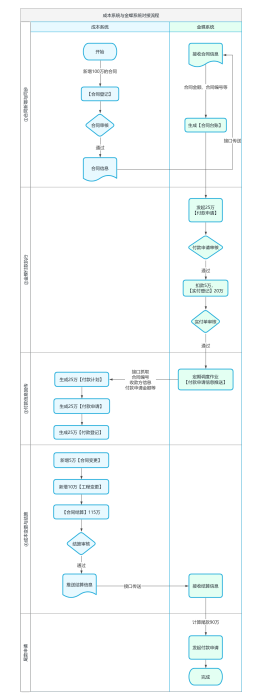
Collect
Get Started
评论
0 条评论
下一页

